
SINUSITIS
Advanced Root-Cause Care
Sinusitis, commonly known as a sinus infection, occurs when the cavities around the nasal passages (sinuses) become inflamed due to infections, allergies, or other factors. It leads to symptoms like...

Start Your Journey Toward Recovery
Fill in your details and Dr. Shukla's clinical team will evaluate your case. Consultations are available both in-clinic at Lucknow and via secure worldwide video appointments.
Request Consultation
Select your consultation mode and submit your medical details below.
What is Sinusitis?
Sinusitis, commonly known as a sinus infection, occurs when the cavities around the nasal passages (sinuses) become inflamed due to infections, allergies, or other factors. It leads to symptoms like nasal congestion, facial pain, and difficulty breathing. Sinusitis can be acute or chronic, depending on the duration of the condition.
Causes of Sinusitis
Bacterial or Viral Infections: Most sinus infections are caused by bacteria or viruses, leading to inflammation of the sinuses.
Allergies: Pollen, dust, mold, or pet dander can trigger sinusitis, particularly in those with allergic rhinitis.
Nasal Polyps: Growths in the nasal passages can block the sinuses, leading to infections.
Deviated Septum: A structural issue in the nose that can obstruct the sinus passages, increasing the risk of sinusitis.
Cold or Respiratory Infections: Sinusitis often develops after a cold, especially if the cold leads to excessive mucus production.

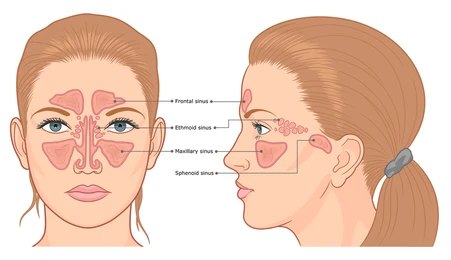
Types of Sinusitis
Acute Sinusitis: Lasts for a short duration (up to 4 weeks) and is typically caused by a bacterial or viral infection.
Chronic Sinusitis: Persists for 12 weeks or more despite treatment and is often related to structural issues, allergies, or persistent infections.
Recurrent Sinusitis: Occurs several times a year, with each episode lasting less than 4 weeks.
Symptoms of Sinusitis
Nasal Congestion and Blockage: Difficulty breathing through the nose due to swollen nasal passages and mucus buildup.
Facial Pain and Pressure: Pain around the eyes, cheeks, or forehead, which may worsen when bending over or lying down.
Yellow or Green Nasal Discharge: Thick mucus or pus from the nose, which may have a foul odor.
Headache: A feeling of pressure in the forehead, eyes, or upper jaw, often worsening with sinus pressure.
Coughing and Sore Throat: Post-nasal drip leading to throat irritation, coughing, and bad breath.
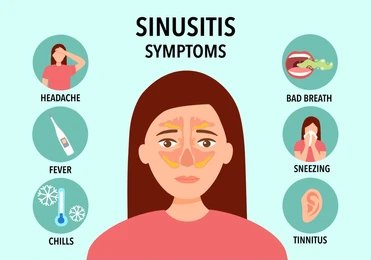
Homeopathic Treatment for Sinusitis
Homeopathy offers a gentle and natural approach to treating sinusitis by addressing the underlying causes and alleviating symptoms without side effects.

Benefits of Homeopathic Treatment for Sinusitis
Individualized Treatment: Homeopathic remedies are customized based on the unique symptoms of each patient, ensuring personalized care.
No Side Effects: Homeopathic medicines are made from natural substances and are free from harmful chemicals, making them safe and gentle.
Addresses Root Causes: Homeopathy works to treat both acute and chronic sinusitis, targeting the root causes of inflammation, infections, or allergies.
Symptom Relief: Provides effective relief from nasal congestion, facial pain, and other uncomfortable symptoms.

Consult with Dr. Jitendra Shukla
B.H.M.S., M.D. (Homoeopathy) – Gold Medalist | Registration: H-25455 (State Council). With 25+ years of distinguished clinical practice, Dr. Shukla has guided thousands of patients to permanent recovery from Sinusitis.
Yes. Homeopathic medicines like Teucrium, Lemna Minor, and Calcarea Carbonica systematically reduce polyp inflammation and dry up mucosal swelling, naturally shrinking polyps and restoring clear nasal breathing.
Antibiotics kill active surface bacteria but cannot penetrate deep bacterial biofilms within poorly ventilated sinuses. Homeopathy restores the mucosal lining's own ciliary drainage mechanism, clearing the infection permanently.
Most patients experience immediate relief from facial throbbing and forehead pressure within 7 to 14 days as trapped sinus secretions liquify and drain naturally.
Yes. Once the mucosal swelling around the olfactory cleft is resolved, the delicate olfactory nerve receptors reactivate, restoring full smell and taste perception.
Perform warm saline steam inhalation with a drop of eucalyptus oil twice daily, drink warm water, avoid refrigerated drinks and dairy, and maintain clean room air free from dust.