
MIGRAINE
Advanced Root-Cause Care
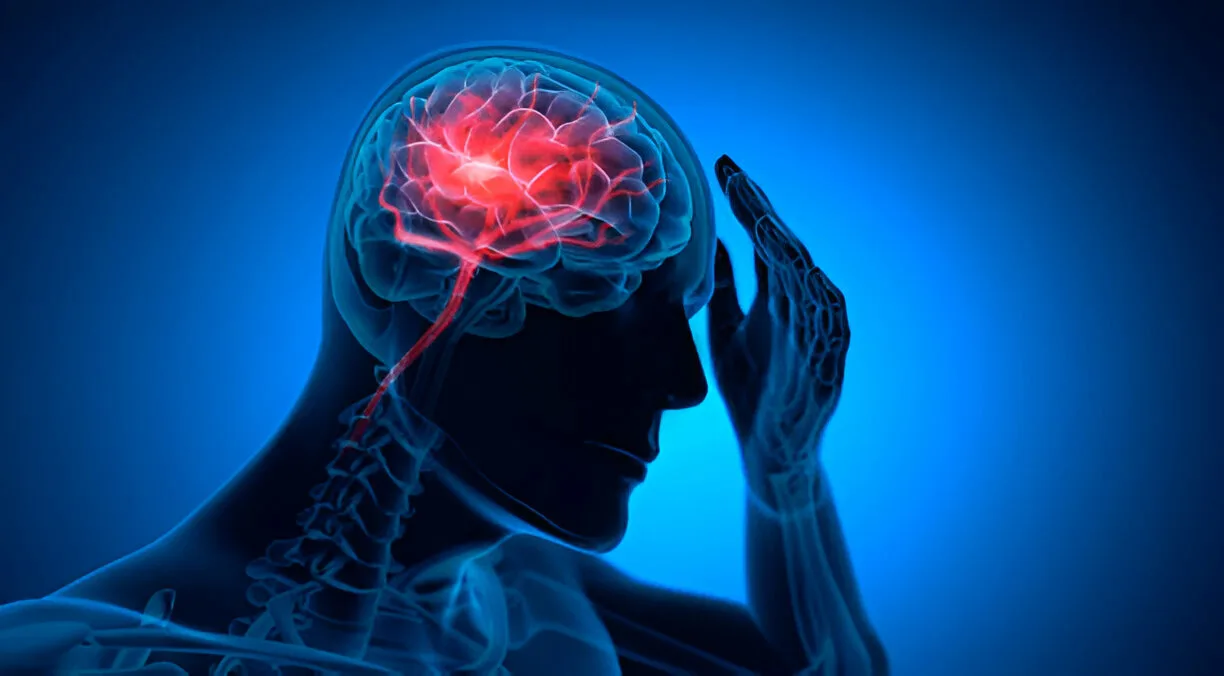
Migraine is a neurological condition characterized by intense, recurrent headaches, often accompanied by nausea, vomiting, and heightened sensitivity to light and sound. Unlike regular headaches,...
Start Your Journey Toward Recovery
Fill in your details and Dr. Shukla's clinical team will evaluate your case. Consultations are available both in-clinic at Lucknow and via secure worldwide video appointments.
Request Consultation
Select your consultation mode and submit your medical details below.
What is Migraine?
Migraine is a neurological condition characterized by intense, recurrent headaches, often accompanied by nausea, vomiting, and heightened sensitivity to light and sound. Unlike regular headaches, migraines can last from a few hours to several days and significantly affect the quality of life. Migraines may occur with or without an aura, which is a visual disturbance or sensory warning before the headache begins.
Causes of Migraine
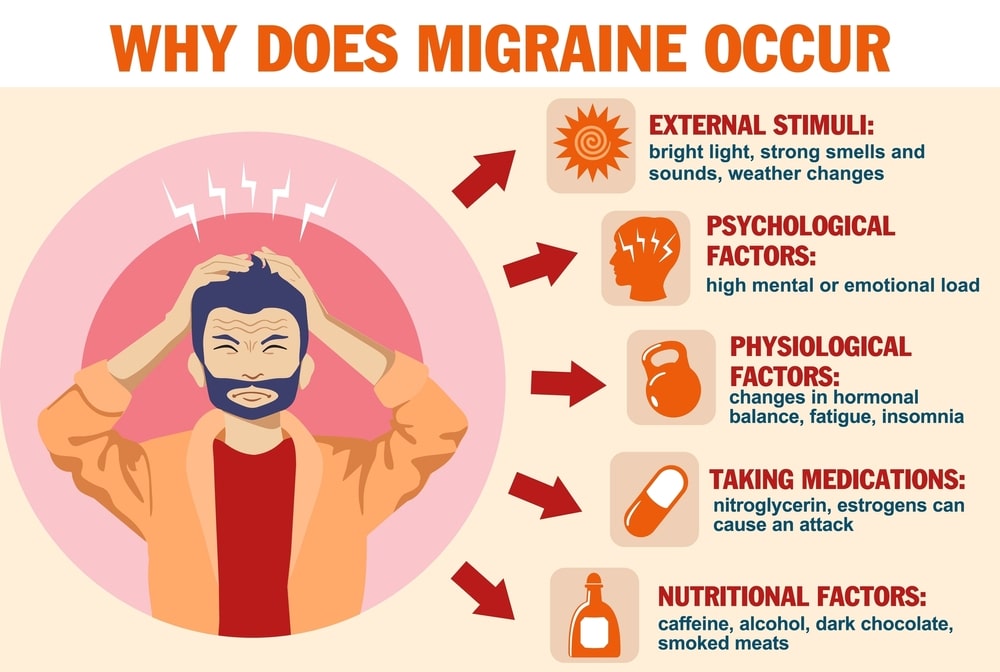
Genetic Factors: Family history increases the likelihood of developing migraines.
Hormonal Changes: Fluctuations during menstruation, pregnancy, or menopause often trigger migraines.
Environmental Triggers: Bright lights, loud noises, strong smells, or weather changes can provoke migraines.
Dietary Triggers: Foods like chocolate, caffeine, alcohol, or processed meats may trigger migraines.
Sleep Disruptions: Poor or irregular sleep patterns contribute to migraine episodes.
Types of Migraine
Migraine with Aura: This type involves visual or sensory disturbances (like flashing lights or tingling sensations) before the headache starts.
Migraine without Aura: The most common type, where the headache occurs without any warning signs or visual disturbances.
Chronic Migraine: Frequent migraines occurring 15 or more days per month for at least three months.
Hemiplegic Migraine: A rare type of migraine that causes temporary paralysis or weakness on one side of the body.
Menstrual Migraine: Migraines that occur around the time of menstruation due to hormonal changes.
Symptoms of Migraine
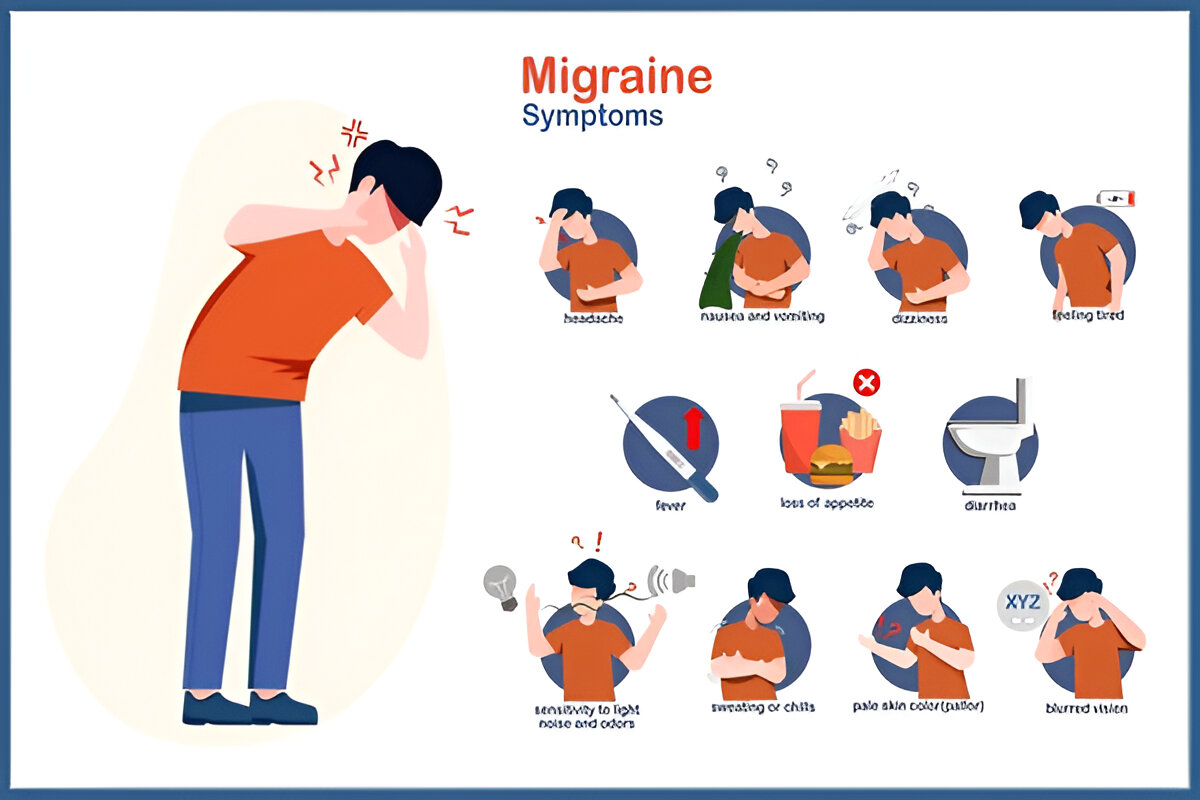
Severe, Throbbing Headache: Usually felt on one side of the head, often accompanied by nausea and vomiting.
Aura: Visual or sensory disturbances, such as flashing lights, zigzag lines, or temporary vision loss before the headache begins.
Sensitivity: Increased sensitivity to light (photophobia), sound (phonophobia), and sometimes smell (osmophobia).
Nausea and Vomiting: Severe migraines are often associated with digestive issues, including nausea and vomiting.
Fatigue and Irritability: Many migraine sufferers experience extreme fatigue and irritability after the migraine attack subsides.
Homeopathic Treatment for Migraine
Homeopathy offers a safe and natural solution for migraine sufferers, targeting both the underlying causes and the symptoms of migraines.
Benefits of Homeopathic Treatment for Migraine
Personalized Treatment: Homeopathy treats each patient individually, considering their unique symptoms and triggers.
No Side Effects: Homeopathic remedies are natural and gentle, making them safe for long-term use without the risk of side effects.
Effective Pain Relief: Homeopathy helps in relieving the intensity and frequency of migraine attacks by restoring balance to the nervous system.
Targets the Root Cause: Homeopathic treatments not only relieve symptoms but also work on improving overall health, reducing the frequency of migraines.


Consult with Dr. Jitendra Shukla
B.H.M.S., M.D. (Homoeopathy) – Gold Medalist | Registration: H-25455 (State Council). With 25+ years of distinguished clinical practice, Dr. Shukla has guided thousands of patients to permanent recovery from Migraine.
Homeopathy treats the fundamental autonomic and neuro-vascular dysregulation causing the cranial blood vessel spasms. By prescribing constitutional remedies tailored to your specific triggers (hormonal, stress, digestive), attack frequency and intensity gradually decline to zero.
Yes. As constitutional homeopathic treatment takes effect, patients find their dependence on pain relievers diminishes. We guide patients in safely tapering off NSAIDs and triptans, eliminating rebound medication-overuse headaches.
Vestibular migraines involve the inner ear balance centers. Dr. Shukla combines neuro-vascular homeopathic remedies with vestibular stabilizing medicines to address both the headache and the spinning sensations simultaneously.
Most patients experience a noticeable decrease in attack frequency and severity within the first 3 to 6 weeks of treatment. Chronic long-standing cases typically achieve full stabilization within 4 to 6 months.
We recommend avoiding aged cheeses, artificial sweeteners, monosodium glutamate (MSG), dark chocolate, and skipping meals, while ensuring adequate hydration, magnesium-rich foods, and consistent sleep hygiene.