
EPILEPSY
Advanced Root-Cause Care
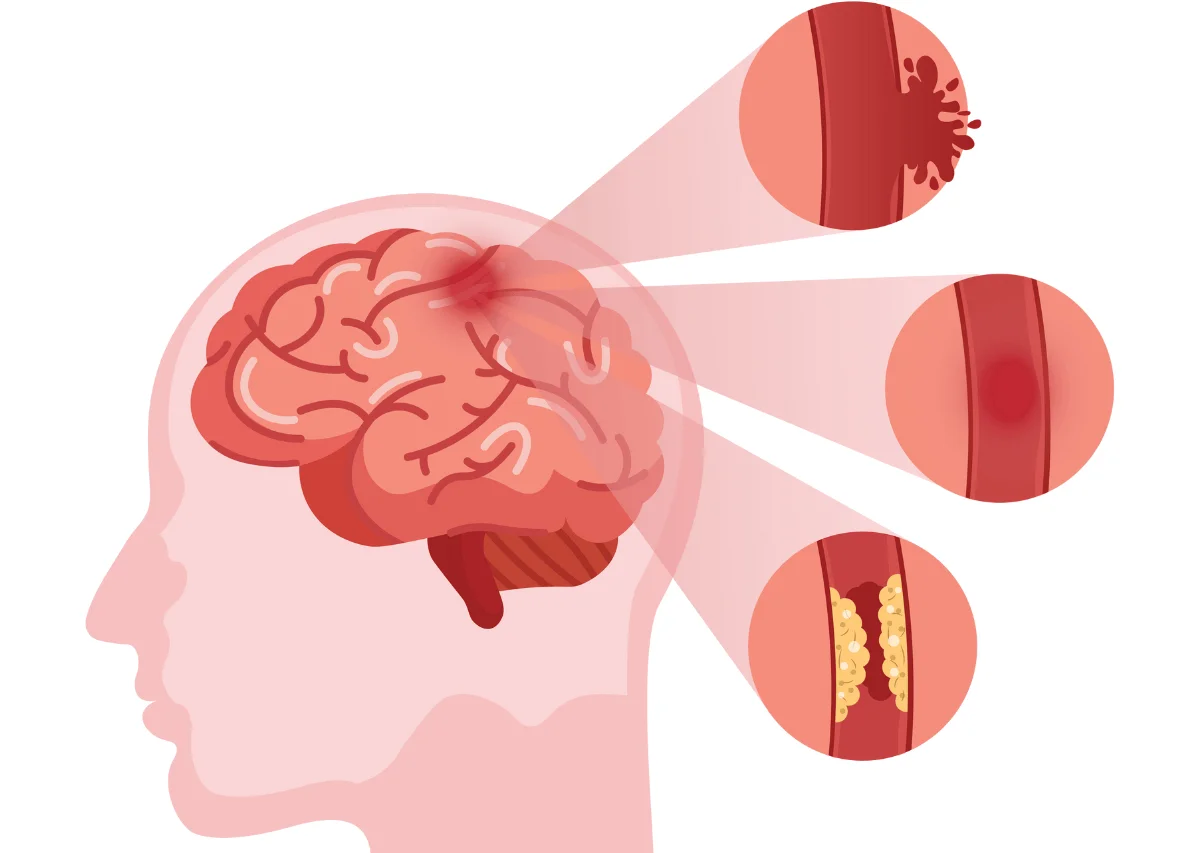
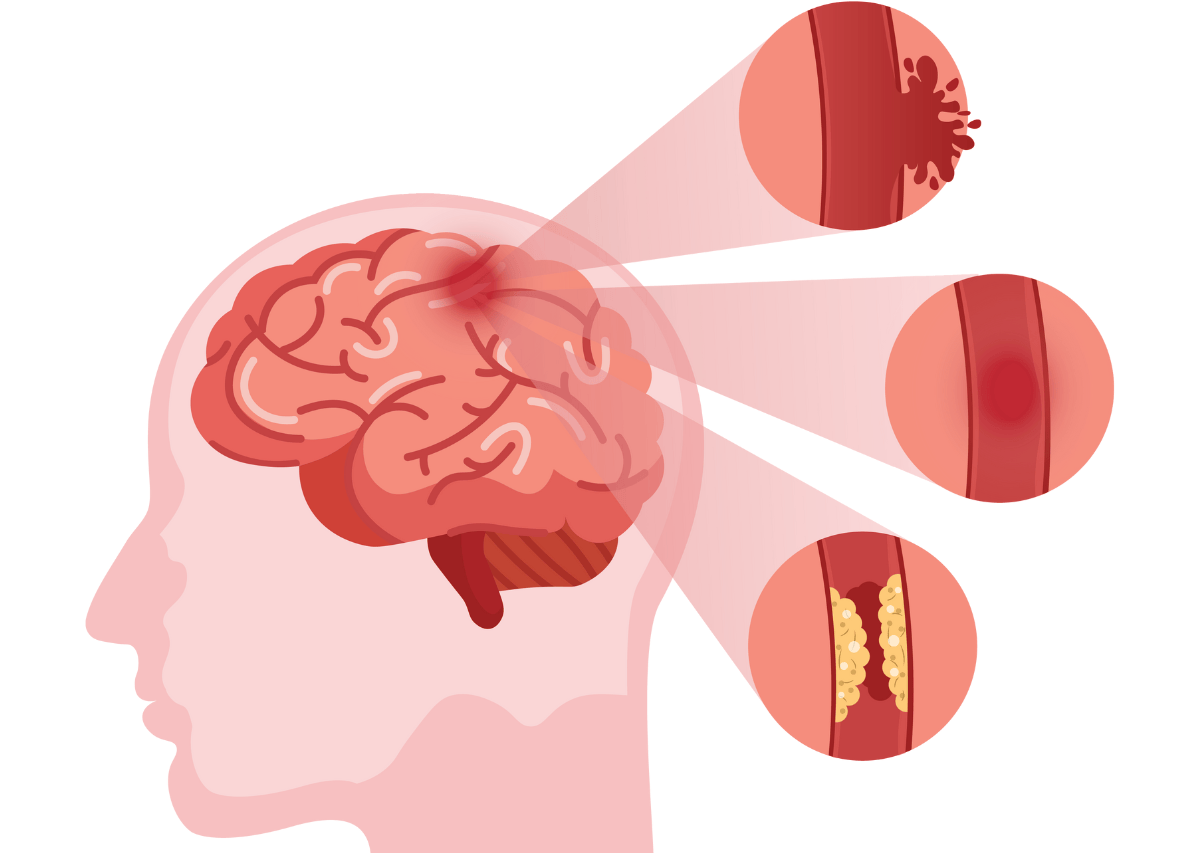
Epilepsy is a neurological disorder characterized by recurrent, unprovoked seizures due to abnormal electrical activity in the brain. These seizures can vary in type and severity, affecting an...
Start Your Journey Toward Recovery
Fill in your details and Dr. Shukla's clinical team will evaluate your case. Consultations are available both in-clinic at Lucknow and via secure worldwide video appointments.
Request Consultation
Select your consultation mode and submit your medical details below.
What is Epilepsy?
Epilepsy is a neurological disorder characterized by recurrent, unprovoked seizures due to abnormal electrical activity in the brain. These seizures can vary in type and severity, affecting an individual's ability to live a normal life. Epileptic seizures may cause convulsions, loss of consciousness, or strange sensations. Managing epilepsy involves a combination of lifestyle changes, medication, and treatment options like homeopathy that focus on controlling seizures and improving quality of life.
Causes of Epilepsy
Genetic Factors: Epilepsy can run in families, suggesting a genetic predisposition to the disorder.
Brain Injury or Trauma: Injuries to the brain, such as head trauma or stroke, can increase the risk of developing epilepsy.
Brain Tumors: Abnormal growths in the brain can lead to seizures and epilepsy.
Infections: Brain infections like meningitis or encephalitis can lead to seizure activity.
Developmental Disorders: Conditions like autism or neurodevelopmental disorders can increase the risk of epilepsy in children.
Metabolic or Chemical Imbalances: Imbalances in the brain’s neurotransmitters or chemicals can lead to seizure activity.
Types of Epilepsy
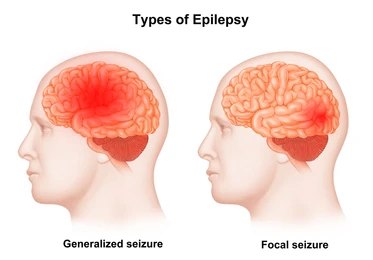
Generalized Seizures
Tonic-Clonic Seizures (Grand Mal): Involves loss of consciousness, followed by jerking movements and muscle stiffness.
Absence Seizures (Petit Mal): Brief episodes of staring or blanking out, often without noticeable convulsions.
Focal Seizures (Partial Seizures)
Focal Onset Aware Seizures: Seizures where the person remains conscious but experiences abnormal sensations or movements.
Focal Onset Impaired Awareness Seizures: The person may lose awareness during the seizure and may display unusual behaviors.
Other Types of Seizures
Myoclonic Seizures: Sudden, brief jerks or twitches of the arms or legs.
Atonic Seizures: Sudden loss of muscle strength, causing the individual to collapse or fall.
Symptoms of Epilepsy
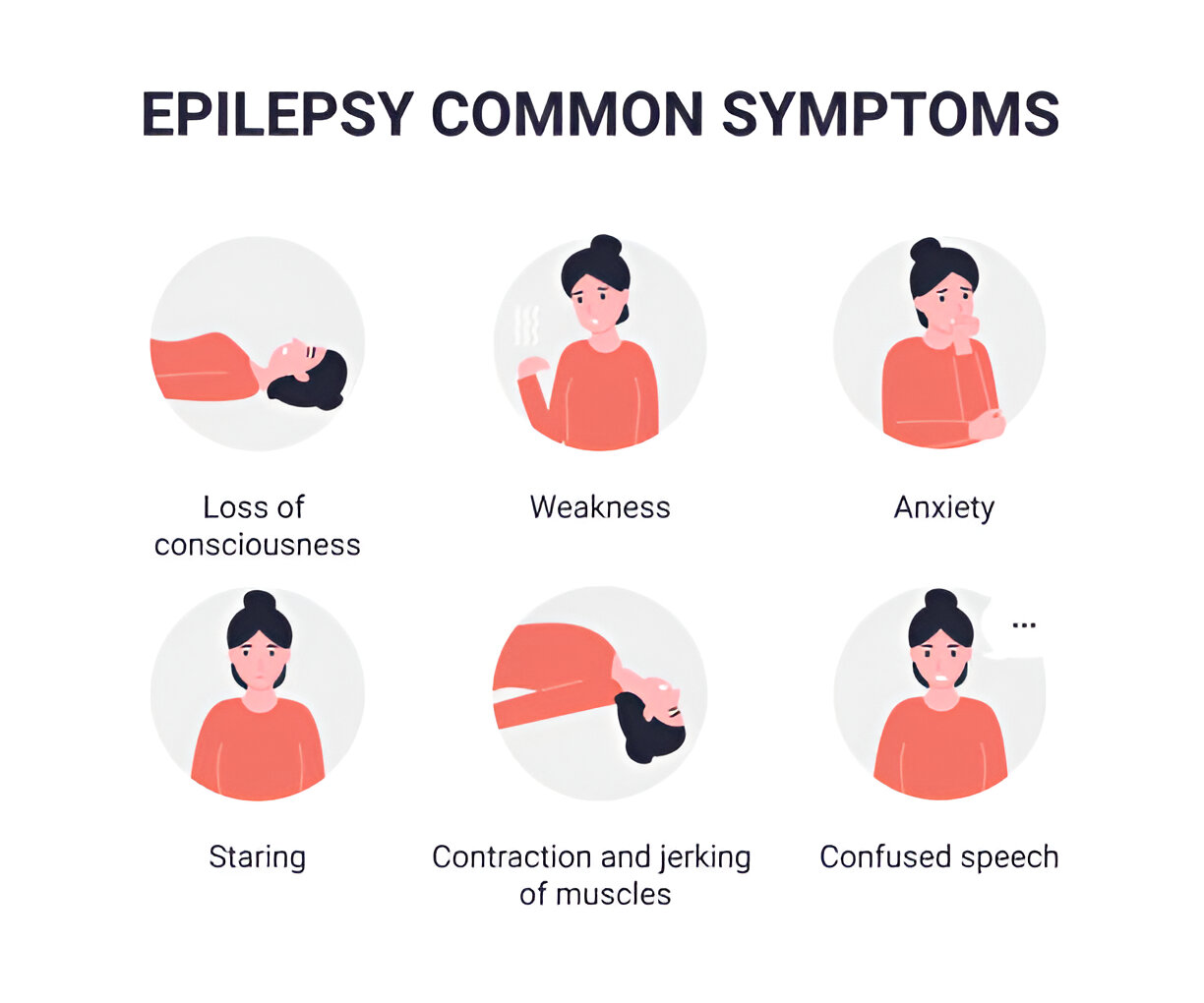
Seizures: The hallmark symptom of epilepsy, ranging from mild episodes of staring to full-body convulsions.
Aura: A warning sign before a seizure, which may include sensations like tingling, unusual smells, or visual disturbances.
Post-Seizure Confusion: After a seizure, individuals may experience confusion, fatigue, or memory gaps.
Loss of Consciousness: During a seizure, the person may lose awareness or collapse.
Jerking or Stiffness: Involuntary muscle movements or stiffness in the body, arms, or legs during a seizure.
Homeopathic Treatment for Epilepsy
Homeopathy offers a safe, holistic approach to managing epilepsy by targeting both the symptoms and underlying causes of seizures.

Benefits of Homeopathic Treatment for Epilepsy
Personalized Treatment: Each individual with epilepsy receives a treatment plan that focuses on their specific symptoms, triggers, and lifestyle, ensuring the most effective remedy.
No Side Effects: Homeopathic remedies are made from natural substances, providing a gentle approach without the harmful side effects of conventional medications.
Long-Term Seizure Control: Homeopathy works gradually to restore balance in the brain, reducing seizure frequency and improving overall brain function and health.
Mental and Emotional Health: Homeopathic treatments address the emotional and mental challenges that often accompany epilepsy, such as anxiety, stress, and depression, helping to restore overall well-being.

Consult with Dr. Jitendra Shukla
B.H.M.S., M.D. (Homoeopathy) – Gold Medalist | Registration: H-25455 (State Council). With 25+ years of distinguished clinical practice, Dr. Shukla has guided thousands of patients to permanent recovery from Epilepsy.
Yes, many patients achieve complete and permanent seizure freedom. By raising the central nervous system's bio-electrical threshold and neutralizing deep-seated miasmatic vulnerability, fits progressively decrease in frequency until they cease entirely.
Yes. We never stop ongoing AED medications abruptly, as sudden withdrawal can trigger status epilepticus. Homeopathy is initiated alongside current prescriptions. As clinical EEG stability is documented and fits stop, AEDs are gradually tapered under medical supervision.
No. Unlike conventional synthetic anti-epileptic medications that depress overall brain function, homeopathic remedies are non-sedating, non-toxic, and enhance mental clarity, academic focus, and alertness.
Children respond exceptionally well to gentle homeopathic treatment. We evaluate birth history, milestones, and emotional temperaments to prescribe palatable, sweet medicated globules that children take without resistance.
During an episode, roll the patient gently onto their side into recovery position, clear sharp nearby objects, do NOT insert spoons or fingers into their mouth, loosen tight neckwear, and stay beside them until consciousness is fully restored.