PSORIASIS
Advanced Root-Cause Care
Psoriasis is a chronic autoimmune condition that causes skin cells to multiply too quickly, leading to thick, scaly patches on the skin. This condition is often triggered by stress, infections, or...
Start Your Journey Toward Recovery
Fill in your details and Dr. Shukla's clinical team will evaluate your case. Consultations are available both in-clinic at Lucknow and via secure worldwide video appointments.
Request Consultation
Select your consultation mode and submit your medical details below.
What is Psoriasis?
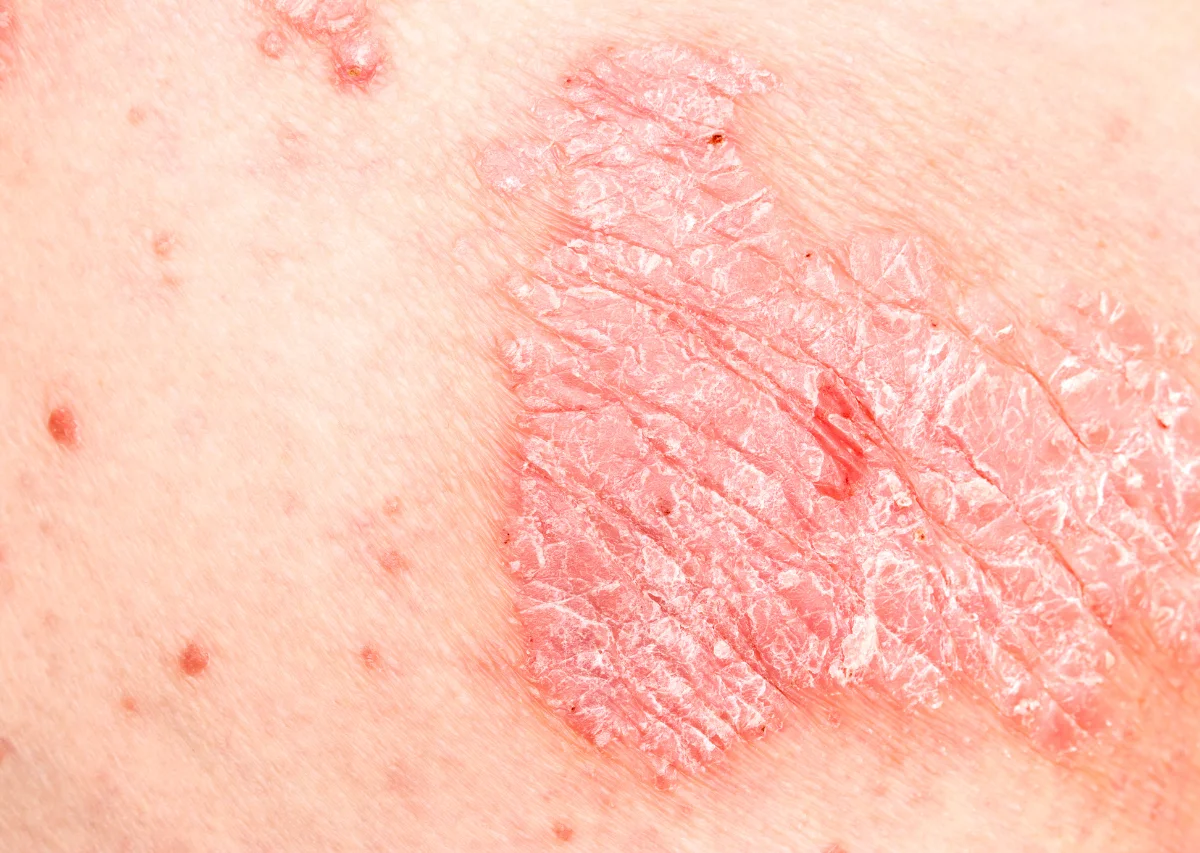
Psoriasis is a chronic autoimmune condition that causes skin cells to multiply too quickly, leading to thick, scaly patches on the skin. This condition is often triggered by stress, infections, or environmental factors, and can affect various parts of the body, including the scalp, elbows, and knees.
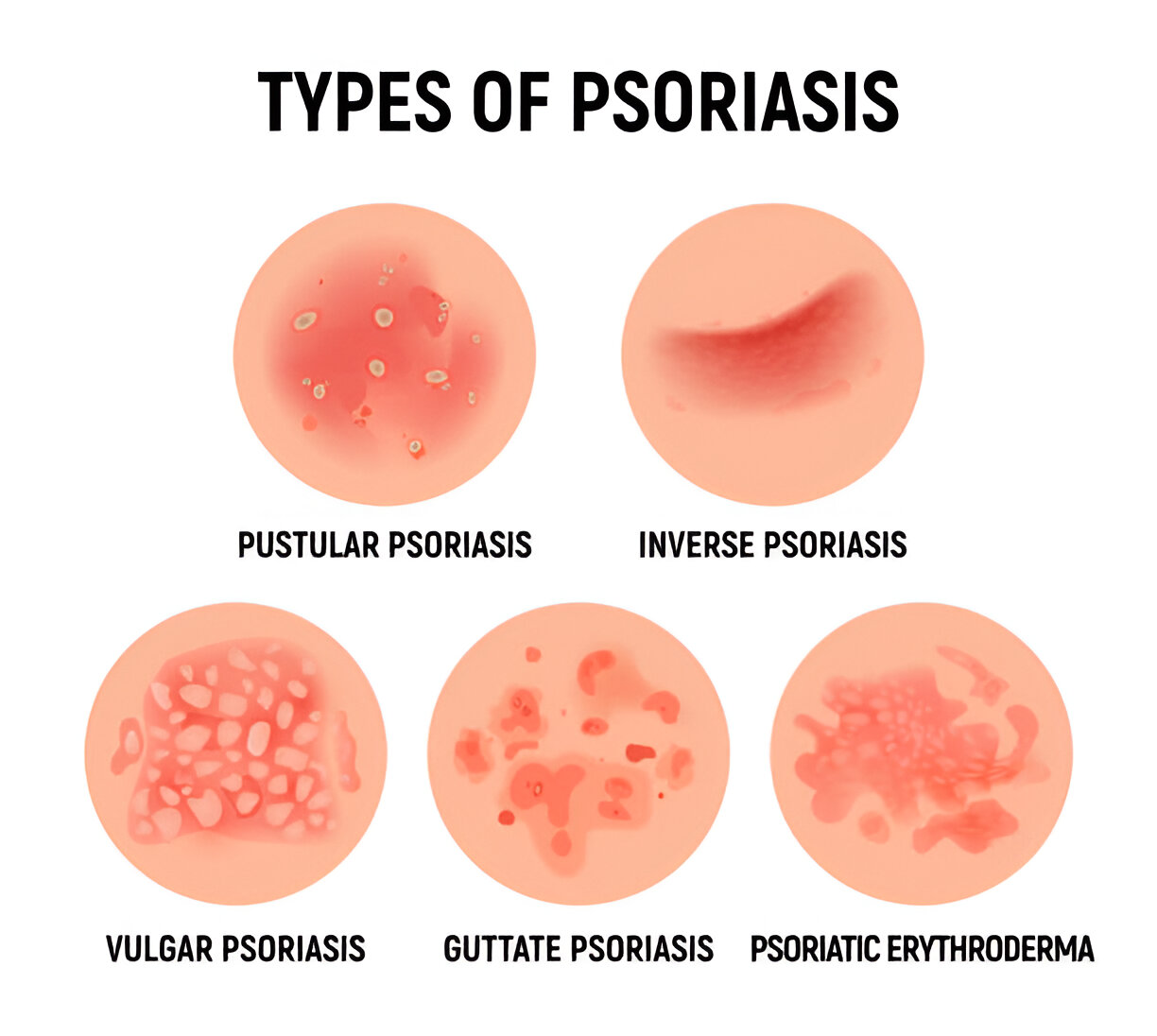
Types of Psoriasis:
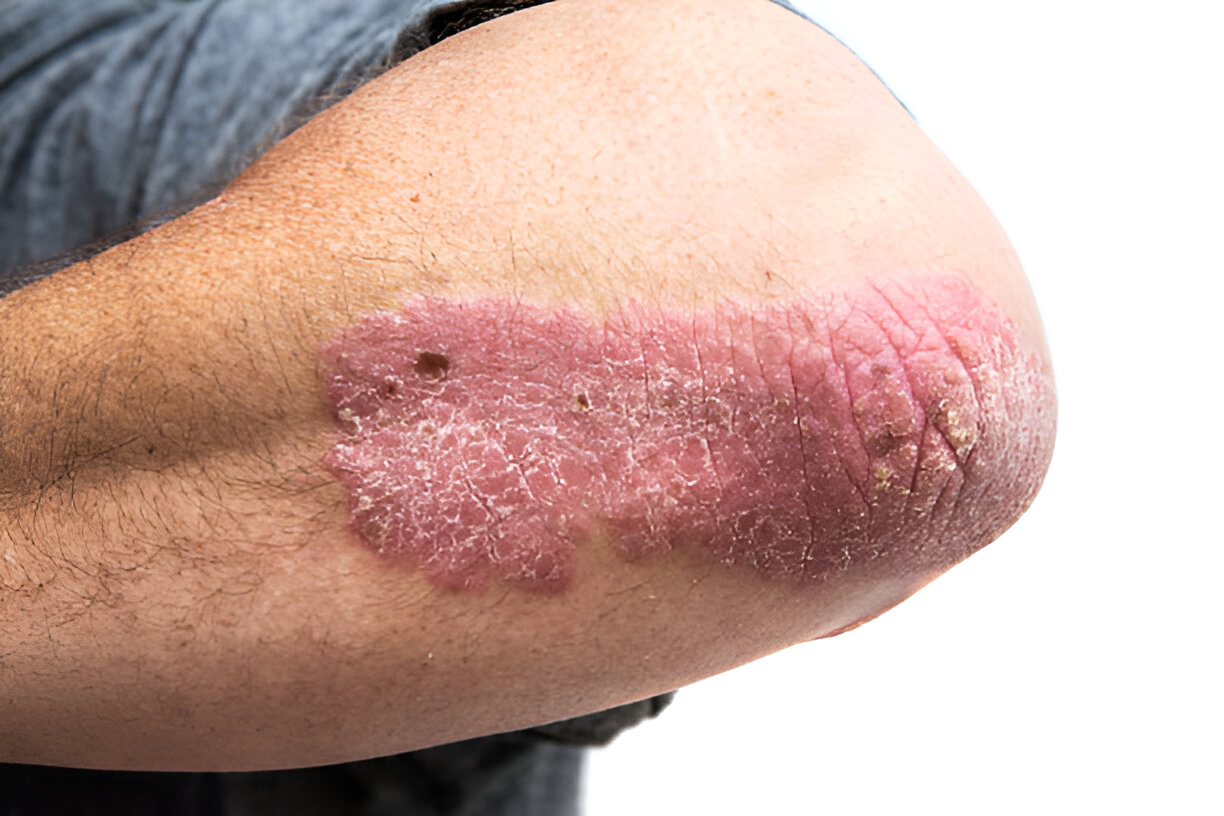
Plaque Psoriasis: The most common form, marked by red, inflamed patches of skin covered with silvery scales.
Guttate Psoriasis: Characterized by small, drop-shaped lesions, often appearing after infections like strep throat.
Inverse Psoriasis: Smooth, red lesions that occur in skin folds such as the underarms, groin, or under the breasts.
Pustular Psoriasis: Presents as white pustules surrounded by red, inflamed skin, typically on the palms or soles.
Erythrodermic Psoriasis: A rare and severe type that causes widespread redness, scaling, and peeling of the skin, often requiring immediate medical attention.
Symptoms of Psoriasis
Red, Scaly Patches of Skin: Psoriasis often presents as areas of red, inflamed skin covered with thick, silvery scales.
Dry, Cracked, or Bleeding Skin: Affected areas may become dry and prone to cracking or bleeding.
Itching, Burning, or Soreness: Psoriasis can cause discomfort, including itching or a burning sensation in the affected regions.
Thickened or Ridged Nails: Nail changes, such as thickening, pitting, or ridges, are common in psoriasis.
Swollen Joints (Psoriatic Arthritis): Some individuals develop psoriatic arthritis, which causes joint pain, swelling, and stiffness.
Homeopathic Treatment for Psoriasis
Homeopathic remedies offer natural relief for psoriasis by targeting the root cause of the condition. Rather than just suppressing symptoms, homeopathy works to balance the immune system, reduce inflammation, and promote skin healing. With personalized treatment, homeopathy can help reduce flare-ups and manage chronic symptoms.
Benefits of Homeopathic Treatment for Psoriasis
Holistic Treatment: Addresses the root causes of psoriasis, effectively reducing symptoms and preventing future flare-ups.
Safe and Gentle: Provides relief without harmful side effects, offering a safer alternative to conventional treatments.
Personalized Care: Tailored remedies focus on your specific symptoms and overall health, ensuring an individualized approach to treatment.
Supports Overall Healing: Promotes immune system balance, enhances skin health, and contributes to improved overall well-being.


Consult with Dr. Jitendra Shukla
B.H.M.S., M.D. (Homoeopathy) – Gold Medalist | Registration: H-25455 (State Council). With 25+ years of distinguished clinical practice, Dr. Shukla has guided thousands of patients to permanent recovery from Psoriasis.
Yes. Thousands of patients have achieved lasting clear skin at Sanjeevani without a single drop of cortisone cream. By correcting the autoimmune cytokine trigger from within, skin cell turnover normalizes permanently.
Steroid creams do not cure psoriasis; they artificially paralyze local skin immune cells. The underlying internal autoimmune pressure continues to build up, so when the cream is stopped, the disease rebounds violently over wider body areas.
Noticeable reduction in scaling, redness, and itching is typically observed within 4 to 8 weeks. Complete clearing of plaques and repigmentation of skin usually requires 6 to 12 months depending on chronic duration.
Yes. Constitutional homeopathic treatment arrests the autoimmune attack on joint cartilage and entheses, reducing swelling, easing morning stiffness, and preserving joint mobility.
Maintain a diet rich in anti-inflammatory omega-3s, leafy greens, amla, and turmeric. Strictly avoid alcohol, smoking, red meat, excessive nightshades (brinjal, excess tomato), and artificial preservatives.