
PILES
Advanced Root-Cause Care
Piles, also known as hemorrhoids, are swollen blood vessels located in or around the rectum and anus. They can cause pain, bleeding, itching, and discomfort, especially during or after bowel...
Start Your Journey Toward Recovery
Fill in your details and Dr. Shukla's clinical team will evaluate your case. Consultations are available both in-clinic at Lucknow and via secure worldwide video appointments.
Request Consultation
Select your consultation mode and submit your medical details below.
What are Piles (Hemorrhoids)?
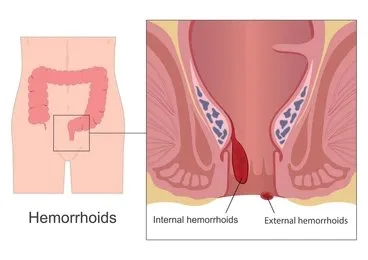
Piles, also known as hemorrhoids, are swollen blood vessels located in or around the rectum and anus. They can cause pain, bleeding, itching, and discomfort, especially during or after bowel movements. Piles are a common condition that affects both men and women, with symptoms ranging from mild to severe.
Common Causes of Piles
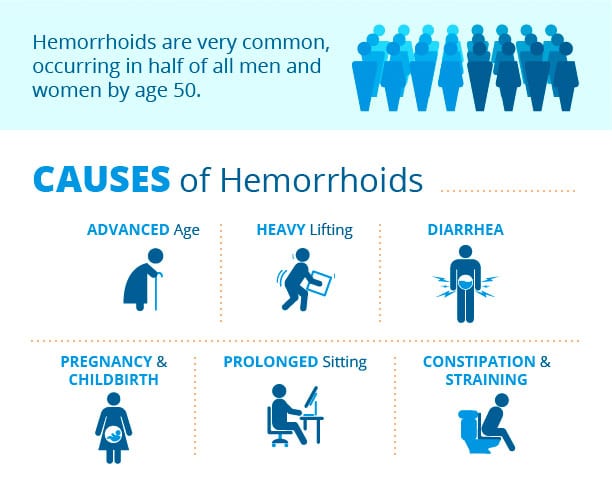
Chronic Constipation: Straining during bowel movements increases pressure on the blood vessels around the anus.
Pregnancy: Increased pressure on the rectal veins during pregnancy can lead to the formation of piles.
Obesity: Excess weight increases pressure on the veins in the lower rectum, contributing to the development of piles.
Poor Diet: A diet low in fiber can lead to constipation, increasing the risk of developing piles.
Sedentary Lifestyle: Sitting for long periods of time can contribute to poor blood circulation, which may cause hemorrhoids.
Aging: The tissues supporting the veins in the rectum weaken as we age, increasing the likelihood of developing piles.
Types of Piles
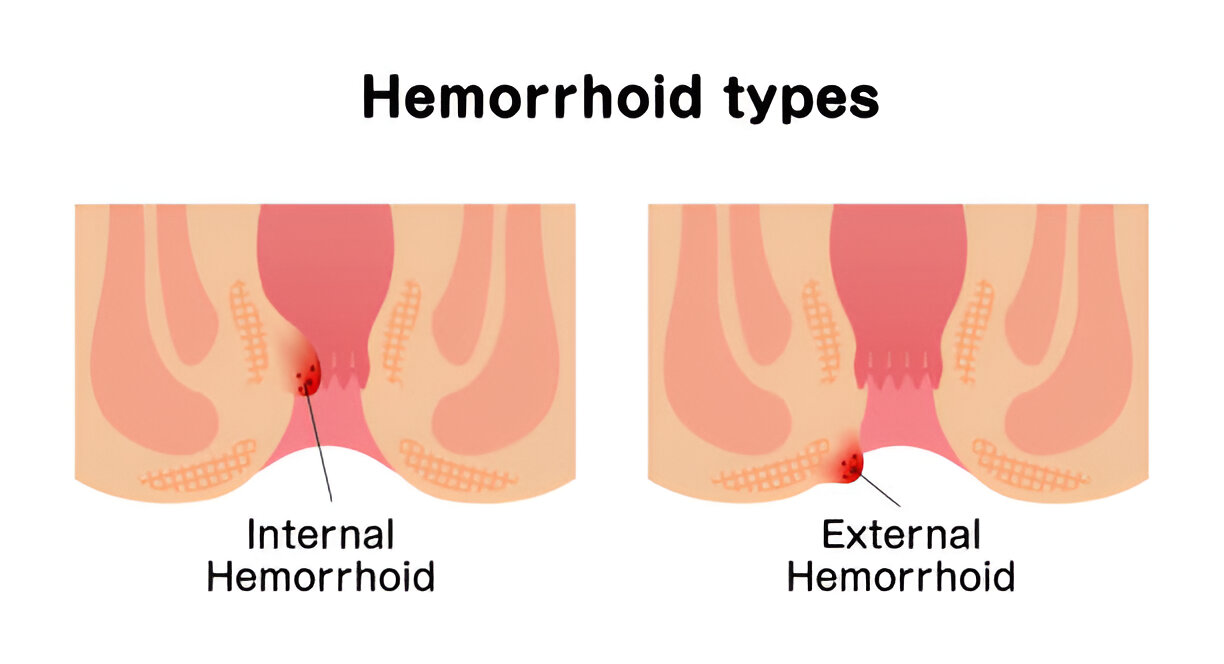
Internal Piles: Develop inside the rectum and are usually painless, but can cause bleeding and discomfort.
External Piles: Located under the skin around the anus, external piles are more likely to cause pain, itching, and swelling.
Prolapsed Piles: Internal piles that have become swollen and protrude outside the anus, causing pain and discomfort.
Thrombosed Piles: Blood clots that form in external piles, causing sudden, severe pain and swelling.
Symptoms of Piles
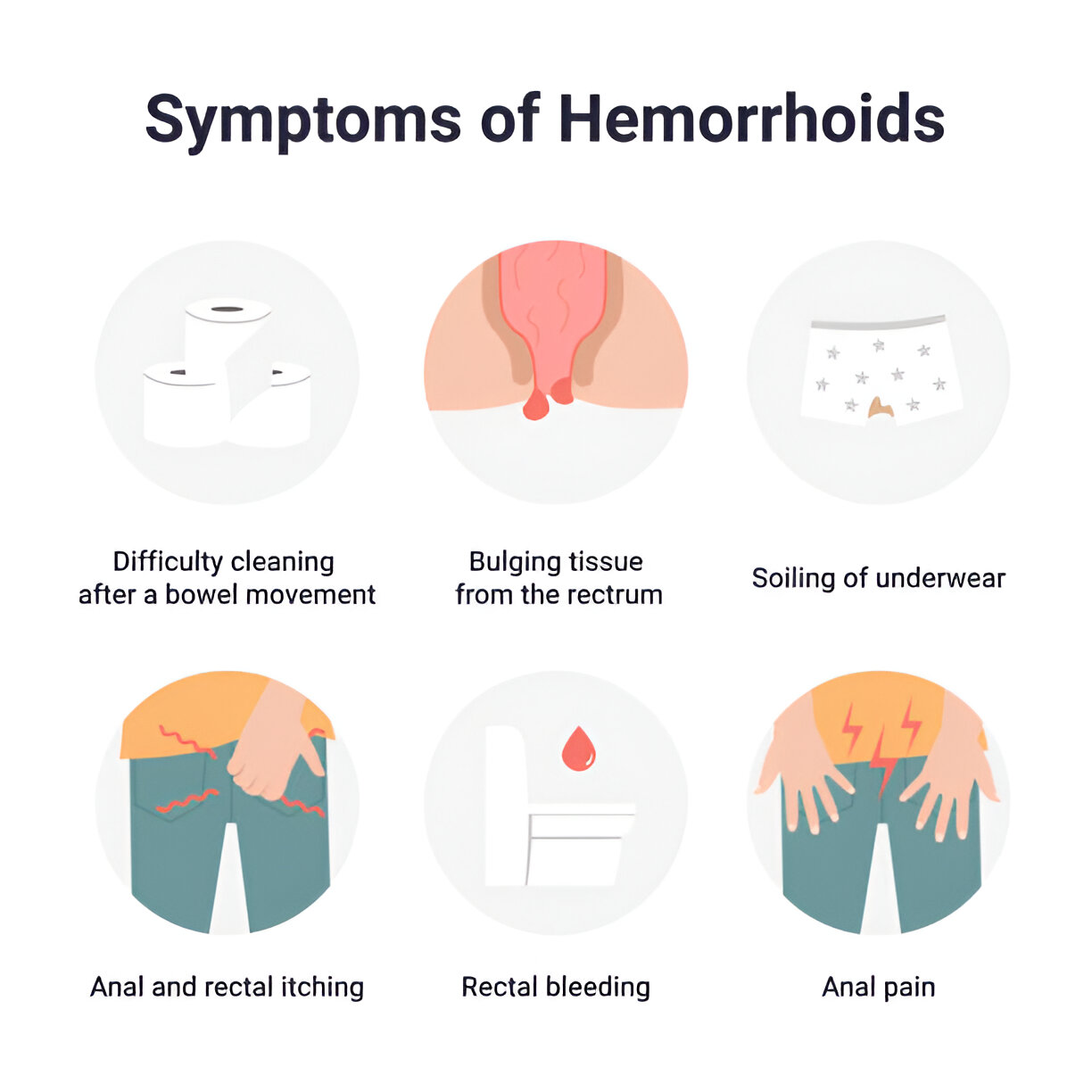
Pain, Itching, or Swelling Around the Anus: Discomfort and irritation near the anal area.
Bleeding During Bowel Movements: Bright red blood on toilet paper, indicating possible hemorrhoids.
Lump or Swelling Near the Anus: Sensitive or painful swelling near the anus.
Feeling of Fullness or Pressure in the Rectum: A sensation of pressure or fullness in the rectal area.
Mucus Discharge or Leakage from the Anus: Unexplained mucus discharge from the anal region.
Homeopathic Treatment for Piles
Homeopathy offers a safe and effective treatment for piles by addressing both the underlying causes and symptoms. It works to reduce inflammation, alleviate pain, and improve bowel health without any harmful side effects that are often associated with conventional treatments.
Benefits of Homeopathic Treatment for Piles
Pain and Swelling Relief: Homeopathic remedies help reduce pain, swelling, and inflammation associated with piles.
Improves Bowel Health: Supports digestion and promotes regular bowel movements, helping to prevent constipation and strain during bowel movements.
Non-invasive and Safe: Unlike surgical procedures or chemical treatments, homeopathic remedies are non-invasive and free from harmful side effects.
Personalized Treatment: Remedies are tailored to the individual’s symptoms and health history, ensuring a holistic approach to healing.
Long-term Relief: Manages immediate symptoms and prevents future flare-ups by addressing the root causes.

Consult with Dr. Jitendra Shukla
B.H.M.S., M.D. (Homoeopathy) – Gold Medalist | Registration: H-25455 (State Council). With 25+ years of distinguished clinical practice, Dr. Shukla has guided thousands of patients to permanent recovery from Piles.
Yes! Thousands of patients have avoided surgery at Sanjeevani. Homeopathic remedies strengthen venous wall elasticity, eliminate portal congestion, and permanently shrink prolapsed hemorrhoidal cushions.
Surgery only cuts out the swollen veins. It does nothing to resolve the chronic constipation, pelvic congestion, or portal vein sluggishness that caused them. Homeopathy resolves the root cause, ensuring zero recurrence.
Bleeding is typically arrested within 3 to 7 days of beginning targeted treatment. The excruciating razor-blade pain of anal fissures resolves dramatically within the first 1 to 2 weeks.
Yes. Specific remedies like Hamamelis, Aesculus, and Arnica dissolve the clotted blood thrombus naturally, relieving pain and shrinking the swelling without surgical excision.
Drink at least 3 liters of water daily, consume plenty of high-fiber papaya, oats, psyllium husk (isabgol), and flaxseeds, and strictly avoid deep-fried foods, red meat, alcohol, and excessive red chili.