
PARALYSIS
Advanced Root-Cause Care
Paralysis refers to the loss of muscle function in a part of the body. It occurs when there is damage to the nervous system, leading to an inability to move muscles in the affected area. Paralysis...
Start Your Journey Toward Recovery
Fill in your details and Dr. Shukla's clinical team will evaluate your case. Consultations are available both in-clinic at Lucknow and via secure worldwide video appointments.
Request Consultation
Select your consultation mode and submit your medical details below.
What is Paralysis?
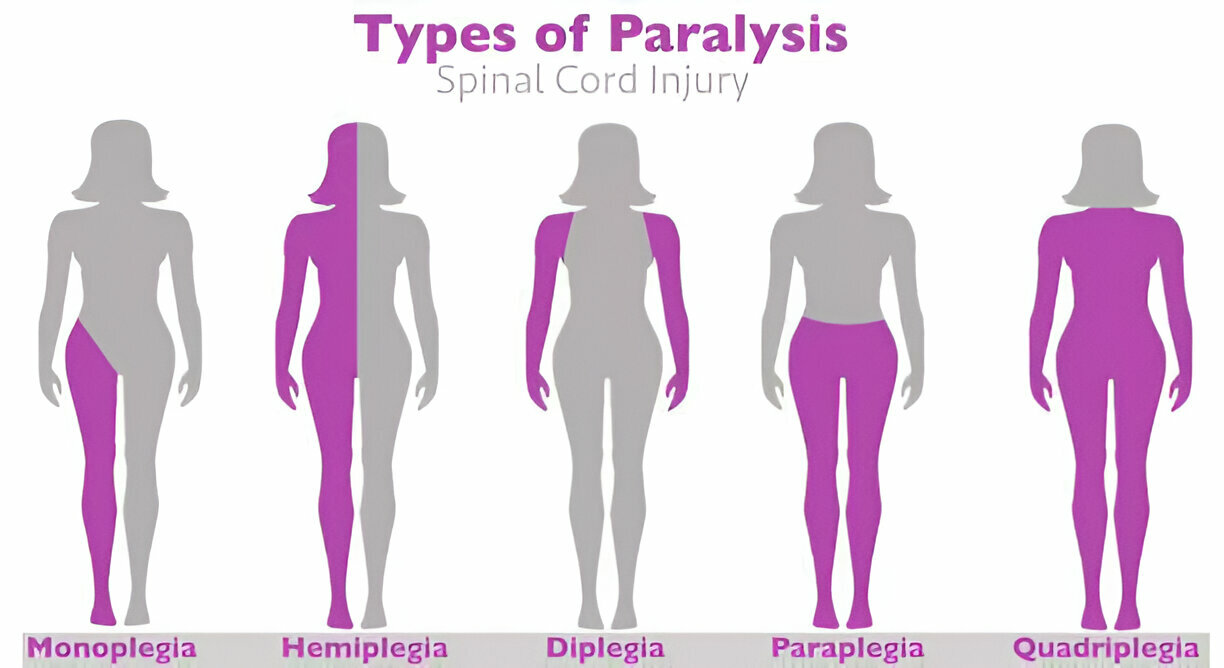
Paralysis refers to the loss of muscle function in a part of the body. It occurs when there is damage to the nervous system, leading to an inability to move muscles in the affected area. Paralysis can be partial or complete and may affect one side of the body (hemiplegia), one limb (monoplegia), or the lower body (paraplegia).
Causes of Paralysis
Stroke: Occurs when blood flow to the brain is interrupted, causing brain cell death and resulting in paralysis.
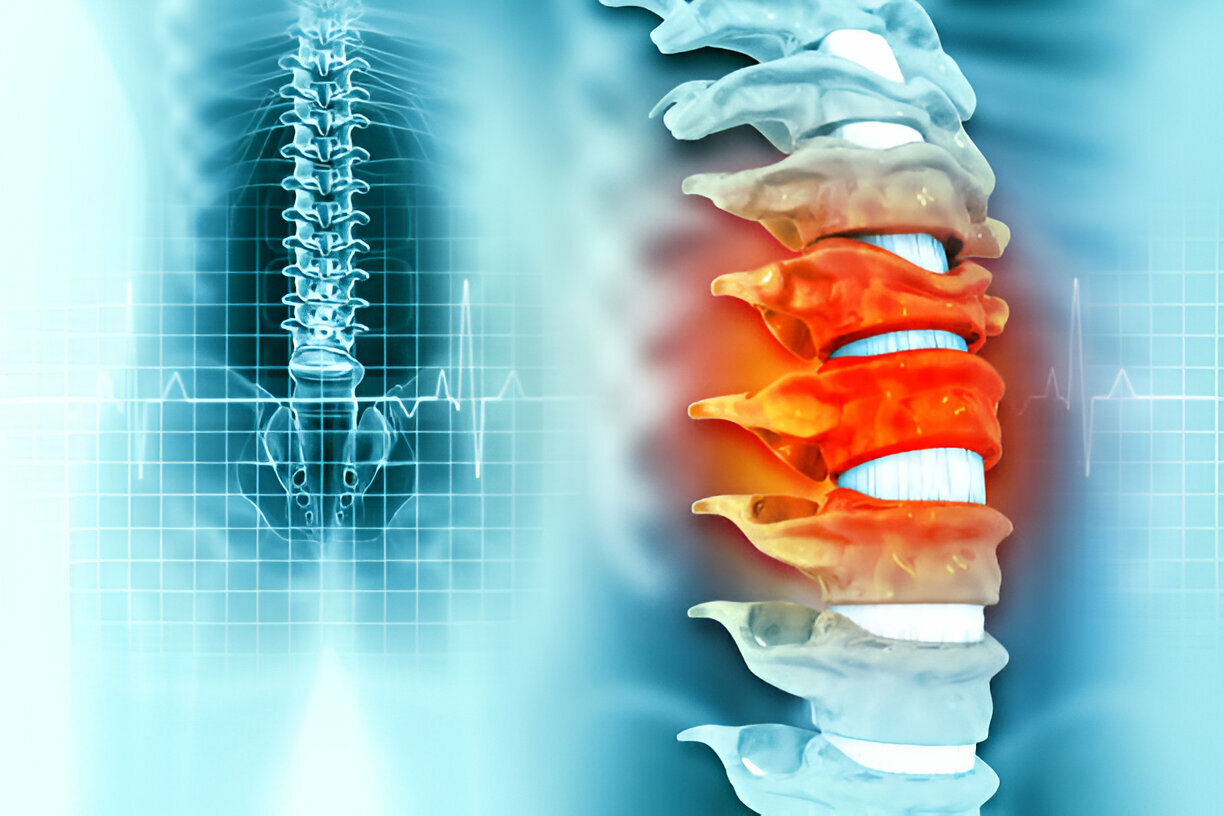
Spinal Cord Injury: Damage to the spinal cord due to trauma or disease can cause paralysis below the site of injury.
Neurological Diseases: Conditions like multiple sclerosis, ALS (Amyotrophic Lateral Sclerosis), or Guillain-Barré syndrome can lead to paralysis.
Infections: Infections like polio or viral meningitis can damage nerves, leading to paralysis.
Trauma or Accidents: Physical injuries, such as those sustained in accidents or falls, can lead to paralysis if the nerves or spinal cord are damaged.
Types of Paralysis
Hemiplegia: Paralysis on one side of the body, often caused by stroke or brain injury.
Paraplegia: Paralysis of the lower half of the body, including both legs, typically caused by spinal cord injuries or diseases.
Quadriplegia: Paralysis of all four limbs, commonly resulting from severe spinal cord injuries or conditions like multiple sclerosis.
Monoplegia: Paralysis affecting only one limb, often caused by localized nerve damage or injury.
Symptoms of Paralysis
Weakness or Numbness: Sudden loss of strength or sensation, particularly on one side of the body.
Loss of Coordination: Difficulty controlling movement, leading to poor balance or trouble walking.
Speech and Swallowing Issues: Difficulty speaking or swallowing, often seen in stroke patients or those with brain injuries.
Muscle Atrophy: Wasting away of muscles due to lack of movement or nerve damage.
Loss of Reflexes: Absence of normal reflexes in the affected area of the body.
Homeopathic Treatment for Paralysis
Homeopathy offers a natural, effective treatment approach for paralysis, aiming to improve muscle function, promote nerve regeneration, and restore mobility without side effects.

Benefits of Homeopathic Treatment for Paralysis
Personalized Treatment: Homeopathic remedies are tailored to each patient’s specific condition, ensuring an individualized approach.
No Side Effects: Homeopathy uses natural substances and is free from chemicals, making it safe for long-term use.
Supports Nerve Regeneration: Homeopathic medicines help in repairing nerve damage and improving overall body functions.
Restores Muscle Function: Homeopathic treatments focus on improving muscle coordination and strength.

Consult with Dr. Jitendra Shukla
B.H.M.S., M.D. (Homoeopathy) – Gold Medalist | Registration: H-25455 (State Council). With 25+ years of distinguished clinical practice, Dr. Shukla has guided thousands of patients to permanent recovery from Paralysis.
Yes. Homeopathy stimulates the central nervous system's innate neuroplastic capacity. While allopathic treatment handles acute emergency stabilization, homeopathic constitutional remedies help activate surviving adjacent neurons, reduce cerebral edema, and gradually restore muscular power and sensory communication.
The earlier treatment begins, the faster and more complete the recovery. However, Dr. Jitendra Shukla regularly treats chronic paralysis cases that are months or years old, helping patients make significant strides in walking balance, arm usage, and speech clarity.
Absolutely. Homeopathic medicines operate on micro-molecular bio-energetic levels and do not chemically interfere with allopathic anti-platelet, anti-hypertensive, or anti-coagulant therapies. Both modalities can proceed concurrently safely.
Most patients report initial improvements in muscle tone, reduced spasticity, and returning sensory warmth within 4 to 8 weeks. Continued therapy over 6 to 12 months is recommended for maximum gait rehabilitation and fine-motor recovery.
Patients across India and abroad can book an Online Video Consultation. After reviewing patient MRI/CT brain scans and medical discharge summaries, customized medicines are formulated and dispatched via express courier directly to their residence.