NEURALGIA
Advanced Root-Cause Care
Neuralgia refers to sharp, intense pain that occurs along the path of a nerve. It is often caused by nerve irritation or damage, leading to persistent discomfort and pain. Common types of neuralgia...
Start Your Journey Toward Recovery
Fill in your details and Dr. Shukla's clinical team will evaluate your case. Consultations are available both in-clinic at Lucknow and via secure worldwide video appointments.
Request Consultation
Select your consultation mode and submit your medical details below.
What is Neuralgia?
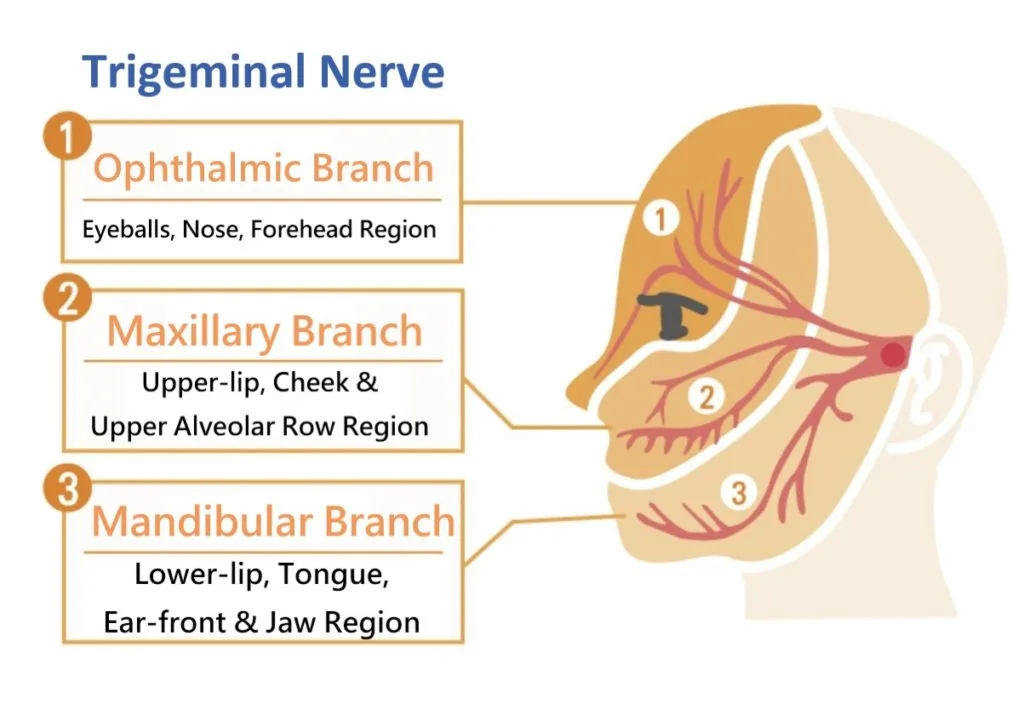
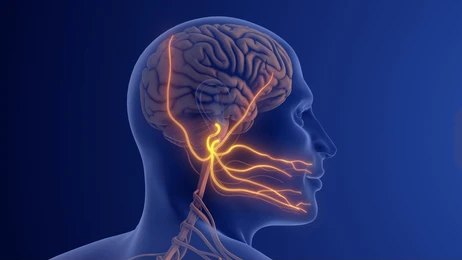
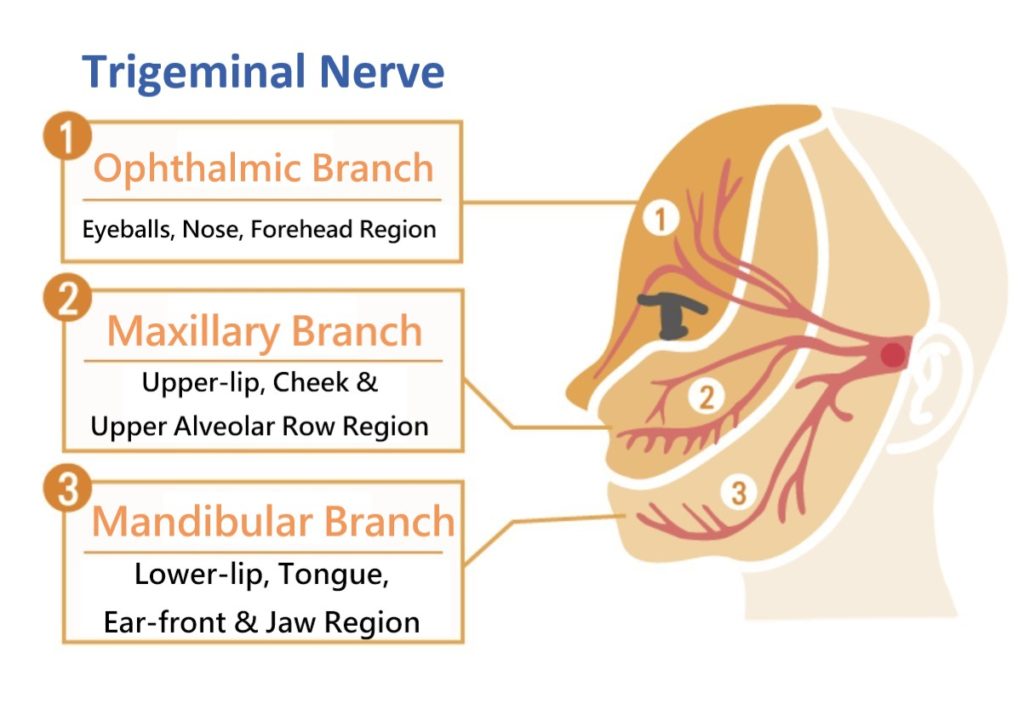
Neuralgia refers to sharp, intense pain that occurs along the path of a nerve. It is often caused by nerve irritation or damage, leading to persistent discomfort and pain. Common types of neuralgia include trigeminal neuralgia, postherpetic neuralgia, and occipital neuralgia, each affecting different parts of the body. While conventional treatments can manage the pain temporarily, homeopathy offers a holistic solution by addressing both the cause and symptoms of neuralgia.
Causes of Neuralgia
Nerve Compression: Pressure on nerves from herniated discs, arthritis, or tumors.
Infections: Viral infections like shingles (herpes zoster) causing postherpetic neuralgia.
Diabetes: High blood sugar damaging nerves, leading to diabetic neuropathy.
Trauma or Injury: Physical injury to nerves resulting in persistent pain.
Chronic Conditions: Disorders like multiple sclerosis or lupus causing nerve damage.
Vascular Issues: Irritation or compression of nerves by blood vessels.
Symptoms of Neuralgia
Sharp or Stabbing Pain: Intense, piercing pain along the nerve’s pathway.
Tingling or Burning Sensation: Affected area may feel numb, tingling, or burning.
Triggered Pain: Discomfort triggered by touch, chewing, speaking, or even a light breeze.
Intermittent or Constant Pain: Pain may be persistent or occur in occasional flare-ups.
Impact on Daily Activities: Nerve pain can interfere with movement and daily tasks.
Homeopathic Treatment for Neuralgia
Homeopathy offers a natural and non-invasive approach to managing neuralgia pain. Rather than just masking the symptoms, homeopathic remedies work to treat the underlying causes of nerve pain and restore balance to the nervous system.
Benefits of Homeopathy for Neuralgia
Holistic Healing: Addresses the root cause of nerve pain by treating the body as a whole and promoting overall health.
Pain Relief: Offers effective and safe relief from nerve pain without adverse side effects.
Nerve Repair: Enhances the body’s natural healing processes to repair damaged nerves and restore function.
Non-toxic and Safe: Provides a gentle alternative to painkillers and nerve-blocking medications, with no harmful side effects.
Personalized Treatment: Customizes remedies based on individual symptoms for optimal pain management and recovery.


Consult with Dr. Jitendra Shukla
B.H.M.S., M.D. (Homoeopathy) – Gold Medalist | Registration: H-25455 (State Council). With 25+ years of distinguished clinical practice, Dr. Shukla has guided thousands of patients to permanent recovery from Neuralgia.
Yes. Thousands of trigeminal neuralgia patients have avoided surgical microvascular decompression or radiofrequency rhizotomy through Dr. Shukla's homeopathic nerve-regeneration protocols, which relieve nerve hyper-irritability safely and non-invasively.
Regular analgesics target inflammatory chemical pathways in muscle and joint tissue. Neuropathic pain involves hyper-sensitized electrical nerve firing, which requires specialized constitutional homeopathic nerve stabilizers to resolve.
Yes. As homeopathic treatment calms the trigeminal nerve and eliminates pain paroxysms, patients can gradually and safely reduce their prescription anti-convulsant doses under professional clinical supervision.
Most patients report a significant drop in the sharpness and frequency of pain shocks within 2 to 4 weeks of starting targeted homeopathic therapy. Long-term treatment permanently restores the myelin threshold.
Protect your face from cold drafts by wearing a scarf or mask when outdoors, avoid drinking icy beverages, use lukewarm water for brushing teeth and facial washing, and avoid chewing on the affected side.