
LEUCODERMA
Advanced Root-Cause Care
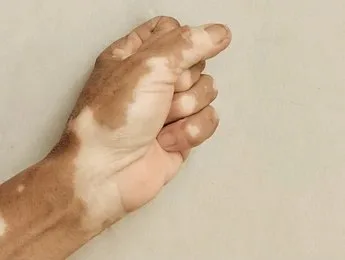
Leucoderma, also known as vitiligo, is a skin disorder where the skin loses its pigmentation, resulting in white patches on the skin. This occurs when melanocytes, the cells responsible for skin...
Start Your Journey Toward Recovery
Fill in your details and Dr. Shukla's clinical team will evaluate your case. Consultations are available both in-clinic at Lucknow and via secure worldwide video appointments.
Request Consultation
Select your consultation mode and submit your medical details below.
What is Leucoderma (Vitiligo)?
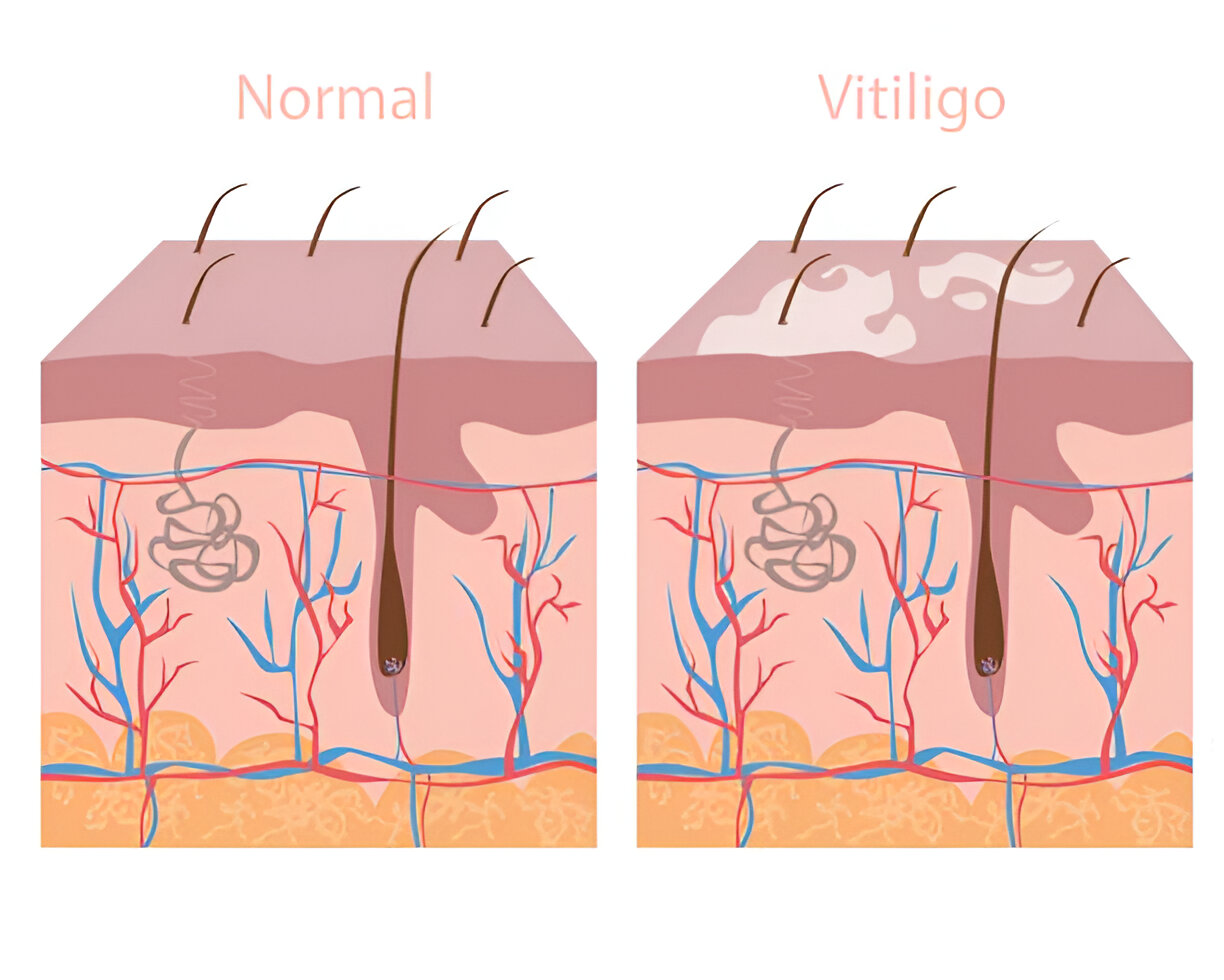
Leucoderma, also known as vitiligo, is a skin disorder where the skin loses its pigmentation, resulting in white patches on the skin. This occurs when melanocytes, the cells responsible for skin color, are destroyed or stop producing melanin. Leucoderma can affect any part of the body and can lead to emotional distress and a loss of self-esteem due to the visible skin changes.
Causes of Leucoderma
Autoimmune Reaction: The immune system mistakenly attacks and destroys melanocytes, the cells responsible for skin pigmentation, leading to white patches.
Genetics: A family history of vitiligo or other autoimmune diseases increases the likelihood of developing leucoderma.
Stress: Emotional or physical stress is believed to trigger or worsen leucoderma in some cases.
Skin Trauma: Burns, wounds, or sunburn can sometimes result in the development of white patches in the affected areas.
Other Health Conditions: Certain diseases, such as thyroid disorders, diabetes, or Addison’s disease, may be associated with the development of leucoderma.

Symptoms of Leucoderma (Vitiligo)
White or Light-Colored Patches: Gradual appearance of white or light-colored patches on the skin.
Patches in Sun-Exposed Areas: Patches often develop in areas exposed to the sun, such as the face, hands, or neck.
Loss of Color in Mouth, Eyes, or Hair: In the early stages, color may be lost in areas like the mouth, eyes, or hair.
Increased Contrast After Sun Exposure: The contrast between the affected and unaffected skin becomes more noticeable after sun exposure.
Homeopathic Treatment for Leucoderma
Homeopathic treatment offers safe, natural relief for leucoderma by addressing the root cause of the condition. Rather than just focusing on the skin’s appearance, homeopathy works to stimulate the body’s natural healing abilities, balance the immune system, and restore pigment production.
Benefits of Homeopathic Treatment for Leucoderma
Holistic Treatment: Homeopathy treats both the body and mind, aiming to restore the necessary balance for healthy skin and overall well-being.
Safe and Non-invasive: Homeopathic remedies are free from harmful side effects and are non-invasive, providing a safer alternative to conventional treatments.
Personalized Remedies: Remedies are tailored to your unique symptoms and health conditions, ensuring effective and targeted treatment.
Long-term Results: Focuses on strengthening the body’s natural functions, preventing future flare-ups, and supporting skin repigmentation over time.
Boosts Immune System: Strengthens the immune system, which may help control the autoimmune response that is responsible for the development of vitiligo.


Consult with Dr. Jitendra Shukla
B.H.M.S., M.D. (Homoeopathy) – Gold Medalist | Registration: H-25455 (State Council). With 25+ years of distinguished clinical practice, Dr. Shukla has guided thousands of patients to permanent recovery from Leucoderma.
Yes. Thousands of patients treated by Dr. Jitendra Shukla have achieved full repigmentation. The hair follicles within the skin contain dormant melanocyte stem cells; constitutional homeopathic medicines activate these cells, producing brown pigment spots that spread and merge.
Typically, the first step is halting active spreading within 4 to 8 weeks. Around 8 to 12 weeks, tiny brown 'islands' of repigmentation appear within the patches and gradually enlarge.
No, absolutely not. Vitiligo is purely an internal autoimmune pigment condition. It is 100% non-contagious, non-infectious, has zero connection to leprosy, and causes no physical harm to internal organs.
Yes. Gentle morning sunlight (between 7:30 AM and 8:30 AM for 10-15 minutes) provides natural non-harmful UVA rays that catalyze homeopathic melanocyte-stimulating medicines without burning.
Consume foods rich in copper, zinc, and vitamin B12 (green vegetables, figs, dates, chickpeas, copper-vessel water). Limit excessively sour foods, artificial vinegar, and synthetic pickles during active treatment.