
KIDNEY FAILURE
Advanced Root-Cause Care
Kidney failure, also known as renal failure, occurs when the kidneys lose their ability to filter waste products and excess fluids from the blood. This condition can develop suddenly (acute kidney...

Start Your Journey Toward Recovery
Fill in your details and Dr. Shukla's clinical team will evaluate your case. Consultations are available both in-clinic at Lucknow and via secure worldwide video appointments.
Request Consultation
Select your consultation mode and submit your medical details below.
What is Kidney Failure?
Kidney failure, also known as renal failure, occurs when the kidneys lose their ability to filter waste products and excess fluids from the blood. This condition can develop suddenly (acute kidney failure) or gradually over time (chronic kidney disease). Kidney failure leads to a buildup of toxins in the blood, which can affect multiple organ systems. Without proper treatment, it can lead to life-threatening complications.
Causes of Kidney Failure
Diabetes: High blood sugar levels damage the kidneys over time, leading to diabetic nephropathy.
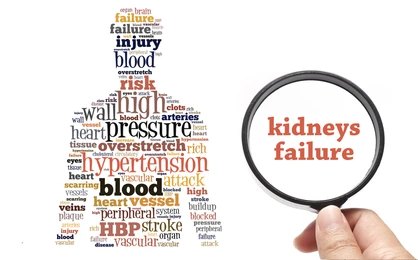
High Blood Pressure: Chronic hypertension can damage blood vessels in the kidneys, affecting their ability to filter waste.
Kidney Infections: Recurrent urinary tract infections (UTIs) or kidney infections (pyelonephritis) can cause kidney damage.
Polycystic Kidney Disease: A genetic disorder that causes fluid-filled cysts to form in the kidneys, impacting their function.
Medications and Toxins: Prolonged use of certain medications or exposure to toxins can impair kidney function.
Dehydration and Shock: Severe dehydration or sudden blood loss can lead to acute kidney failure.
Types of Kidney Failure
Acute Kidney Failure: Develops rapidly, often due to an injury, infection, or drug-related toxicity. It is reversible with early intervention.
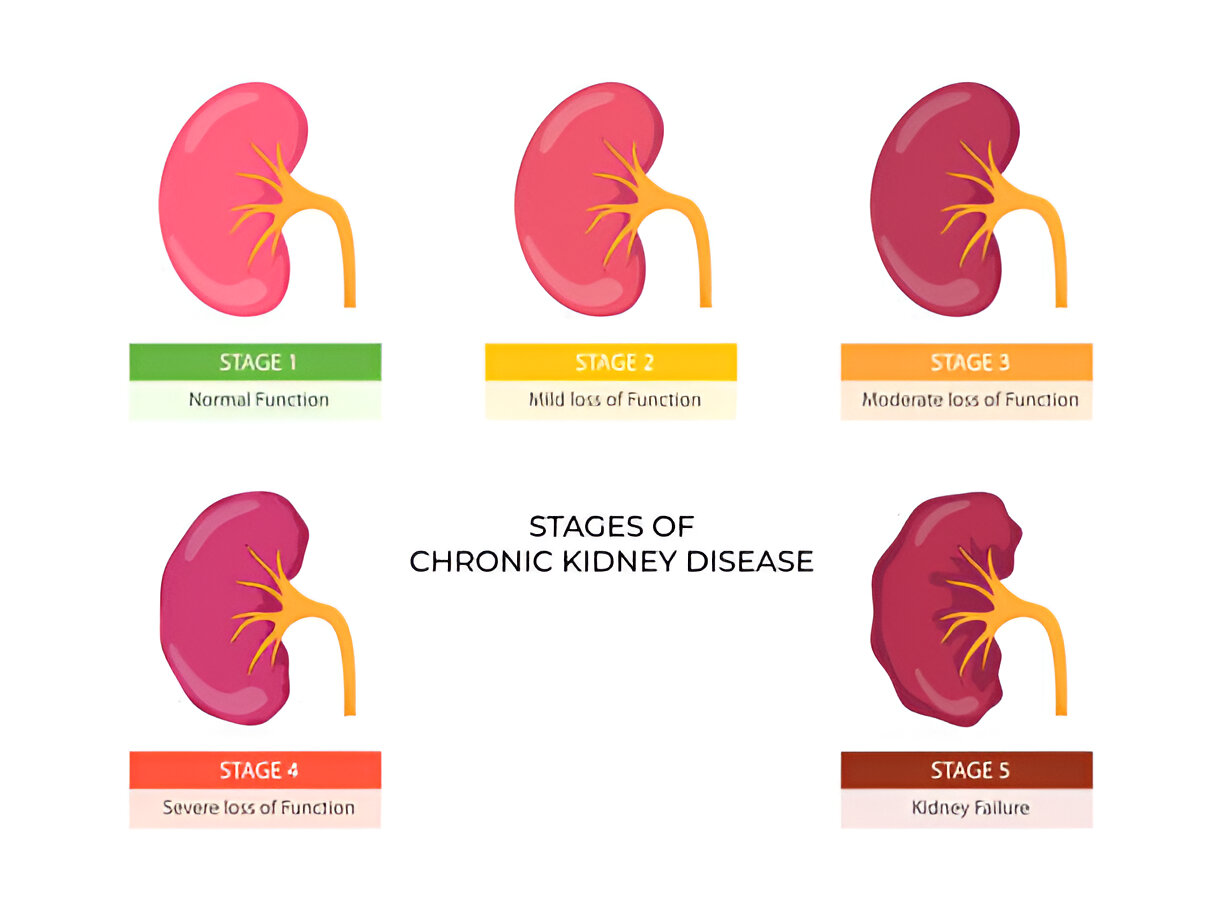
Chronic Kidney Disease (CKD): A progressive decline in kidney function over months or years. It may be caused by conditions like diabetes, high blood pressure, or kidney infections.
End-Stage Renal Disease (ESRD): The final stage of chronic kidney disease, where kidney function drops below 15%. Dialysis or kidney transplantation is often required.
Symptoms of Kidney Failure
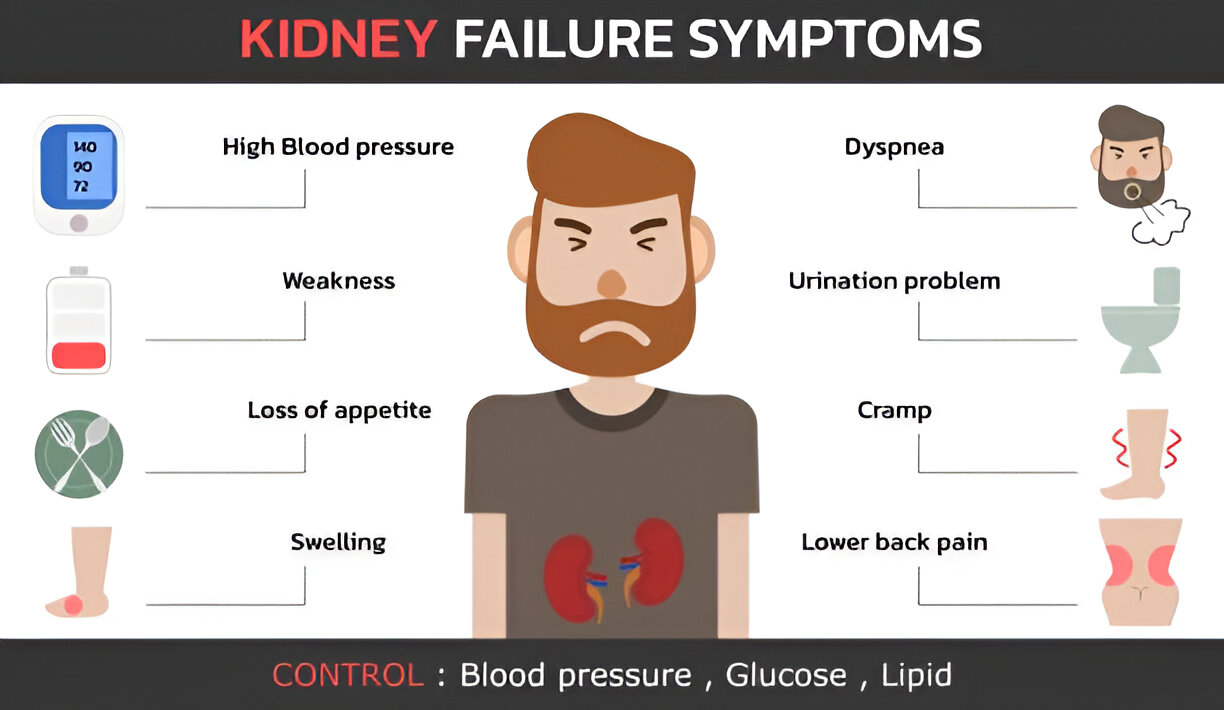
Fatigue and Weakness: Decreased kidney function leads to a buildup of waste in the body, causing extreme tiredness.
Swelling (Edema): The kidneys’ inability to eliminate excess fluids causes swelling, especially in the ankles, feet, and legs.
Decreased Urine Output: A noticeable decrease in the frequency or volume of urination may indicate kidney failure.
Nausea and Vomiting: The buildup of toxins in the body can cause nausea, vomiting, and a lack of appetite.
Shortness of Breath: Fluid buildup in the lungs due to kidney failure can make breathing difficult.
High Blood Pressure: Kidney dysfunction often leads to high blood pressure, which can worsen kidney damage.
Homeopathic Treatment for Kidney Failure
Homeopathy offers a safe, natural treatment approach for managing kidney failure and supporting kidney function. By addressing the root causes of kidney damage and restoring balance to the body’s vital forces, homeopathic remedies help reduce symptoms and prevent further kidney damage.

Benefits of Homeopathic Treatment for Kidney Failure
Individualized Treatment: Homeopathy offers personalized remedies based on your symptoms, health history, and overall constitution to promote optimal kidney function.
Reduces Kidney Damage: Homeopathic remedies work to slow the progression of kidney disease by improving blood circulation, reducing inflammation, and supporting detoxification.
No Side Effects: Homeopathic medicines are derived from natural substances and are free from the harmful side effects associated with conventional medications.
Improves Overall Health: Homeopathy supports the body’s natural healing process and strengthens the immune system, promoting better kidney health and overall vitality.

Consult with Dr. Jitendra Shukla
B.H.M.S., M.D. (Homoeopathy) – Gold Medalist | Registration: H-25455 (State Council). With 25+ years of distinguished clinical practice, Dr. Shukla has guided thousands of patients to permanent recovery from Kidney Failure.
Yes. Specialized homeopathic constitutional medicines act as potent biological nephro-protectants. By reducing intra-glomerular pressure and stimulating cellular repair of surviving nephrons, we consistently document steady declines in creatinine and blood urea in clinical follow-ups.
Absolutely. For patients undergoing hemodialysis, homeopathy helps stabilize vital parameters, increases residual urine output, reduces post-dialysis fatigue and muscle cramps, and can often reduce dialysis frequency from three times a week to once a week or month.
Patients should follow a restricted protein intake (0.6g/kg body weight), restrict high-potassium foods (bananas, citrus, coconut water) if potassium is elevated, control sodium intake, and adhere strictly to calculated daily fluid allowances based on urine output.
Yes, 100% safe. Homeopathic remedies do not burden the kidneys with chemical toxicity and can be taken smoothly alongside your regular cardiovascular and diabetic prescriptions.
Outstation patients can book an Online Video Consultation. Simply upload recent Kidney Function Tests (KFT), urine routine reports, and kidney ultrasound scans. Formulated medicines are couriered in cold/secure packaging directly to your doorstep.