
FIBROADENOMA
Advanced Root-Cause Care
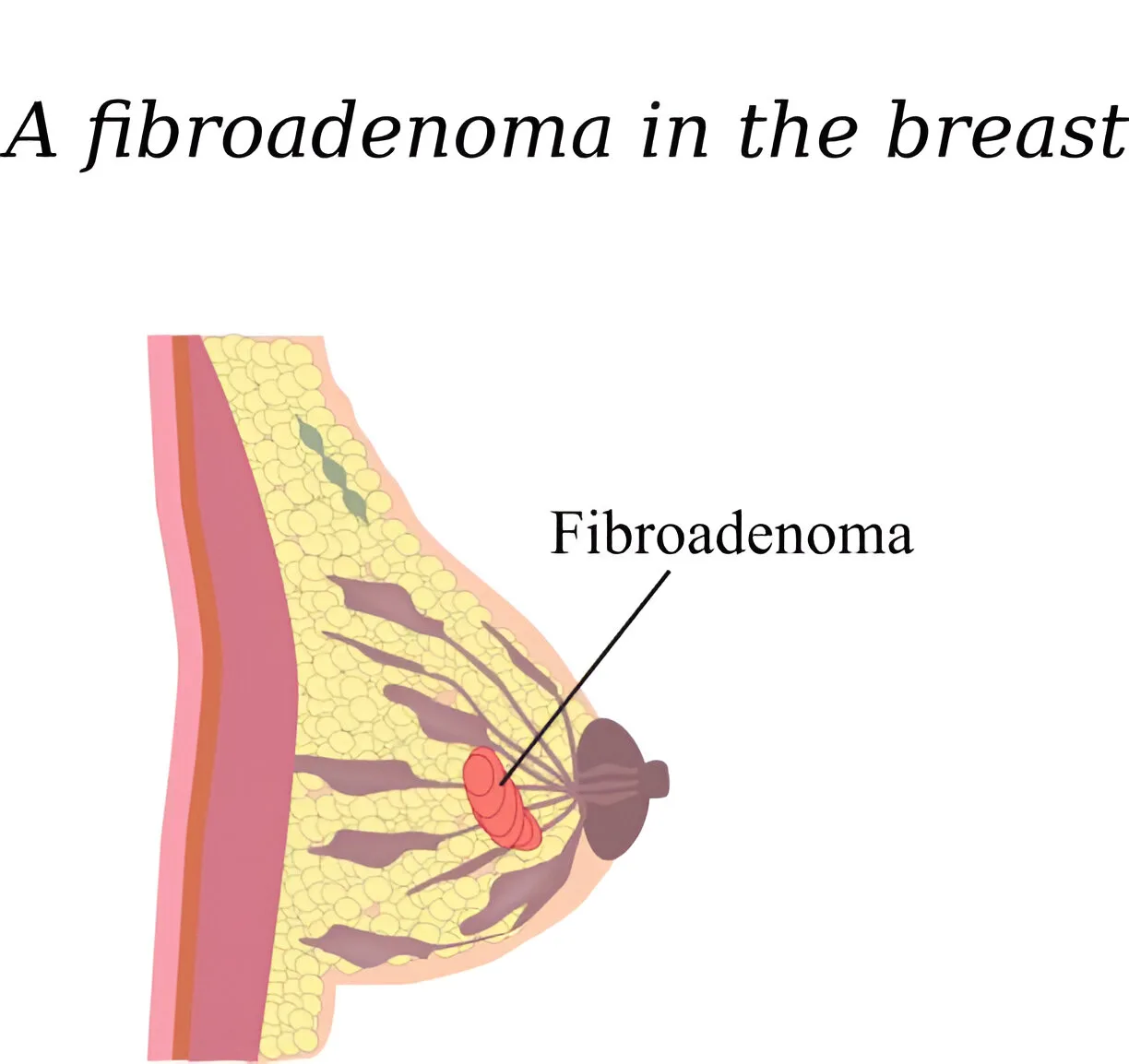
Fibroadenomas are benign (non-cancerous) tumors that are commonly found in the breast tissue. They are made up of both glandular and fibrous tissue and are typically smooth, firm, and movable under...
Start Your Journey Toward Recovery
Fill in your details and Dr. Shukla's clinical team will evaluate your case. Consultations are available both in-clinic at Lucknow and via secure worldwide video appointments.
Request Consultation
Select your consultation mode and submit your medical details below.
What is Fibroadenoma?
Fibroadenomas are benign (non-cancerous) tumors that are commonly found in the breast tissue. They are made up of both glandular and fibrous tissue and are typically smooth, firm, and movable under the skin. These lumps are most often found in women during their reproductive years, but they can occur at any age. Fibroadenomas can vary in size and may be present in one or both breasts. While they are not cancerous, it’s essential to monitor them for any changes and seek medical advice if you notice unusual symptoms.
Causes of Fibroadenoma
Hormonal Fluctuations – Estrogen influences the development of fibroadenomas, making them more common during puberty or pregnancy when hormonal changes occur
Genetics – A family history of fibroadenomas increases the likelihood of developing them
Age – Fibroadenomas are most prevalent in women aged 15-35, though they can develop at any age
Birth Control Pills or Hormonal Therapy – Hormonal treatments can affect the development and growth of fibroadenomas
Pregnancy and Lactation – Hormonal changes during pregnancy can lead to the growth of existing fibroadenomas
Symptoms of Fibroadenoma
Painless, Firm Lump in the Breast – A movable, firm lump in the breast that is typically not painful.
Changes in Breast Tissue During Menstruation – The lump may become more noticeable or enlarged around the menstrual cycle due to hormonal changes.
Swelling or Tenderness in the Breast – Fibroadenomas can sometimes cause mild swelling or tenderness, especially when they grow.
Lumps That Grow or Change in Size Over Time – Fibroadenomas may grow or change in size, requiring regular monitoring.
Homeopathic Treatment for Fibroadenoma
Homeopathy offers a natural, safe, and effective approach to managing fibroadenomas by addressing the hormonal imbalances, reducing inflammation, and promoting overall breast health. Homeopathic remedies work to stimulate the body’s natural healing abilities, balancing hormonal levels and reducing the size or discomfort associated with fibroadenomas.

Benefits of Homeopathic Treatment for Fibroadenoma
Balances Hormones: Homeopathic remedies regulate estrogen and progesterone levels, helping to reduce fibroadenoma growth and ease associated symptoms.
Reduces Fibroadenoma Size: These remedies work to naturally shrink fibroadenomas by promoting tissue health and restoring hormonal balance.
Alleviates Pain and Discomfort: Homeopathic treatments help reduce pain, swelling, and tenderness that may occur with fibroadenomas.
Supports Breast Health: Homeopathy supports overall breast tissue health and can lower the risk of developing additional lumps or changes in the breast.

Consult with Dr. Jitendra Shukla
B.H.M.S., M.D. (Homoeopathy) – Gold Medalist | Registration: H-25455 (State Council). With 25+ years of distinguished clinical practice, Dr. Shukla has guided thousands of patients to permanent recovery from Fibroadenoma.
Yes. Thousands of women treated at Sanjeevani Homoeopathy have experienced complete resolution of their fibroadenomas. Homeopathic medicines stimulate your body's immune macrophages to dissolve the dense fibrous capsule and glandular tissue, which is then reabsorbed naturally by the lymphatic system without leaving any trace.
Simple fibroadenomas are completely benign and do not turn into cancer or significantly raise your risk of breast cancer. However, it is essential to obtain a proper Breast Ultrasound (Sono-Mammogram) and clinical evaluation to confirm the diagnosis (BIRADS-2 classification) before initiating homeopathic treatment.
Most patients report softening of the lump and complete relief from premenstrual tenderness within 4 to 6 weeks. Complete ultrasonic disappearance typically takes between 3 to 6 months depending on the lump's size, hardness, and chronological duration.
Yes. Surgical lumpectomy requires an incision that leaves a visible cutaneous scar and can transect underlying milk ducts, creating internal fibrous adhesions that may impair future lactation. Homeopathy is non-invasive, preserves all milk ducts, and leaves zero cosmetic scars.
Yes, absolutely. Because homeopathy acts systemically on your hormonal and immune constitution, a single tailored regimen treats all existing lumps across both breasts and simultaneously prevents new ones from forming.