
DIABETES
Advanced Root-Cause Care
Diabetes is a chronic medical condition where the body either cannot produce enough insulin or cannot effectively use the insulin it makes, resulting in high blood sugar levels. There are two main...
Start Your Journey Toward Recovery
Fill in your details and Dr. Shukla's clinical team will evaluate your case. Consultations are available both in-clinic at Lucknow and via secure worldwide video appointments.
Request Consultation
Select your consultation mode and submit your medical details below.
What is Diabetes?
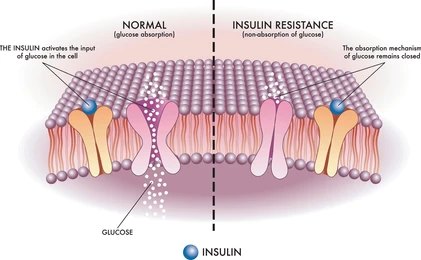
Diabetes is a chronic medical condition where the body either cannot produce enough insulin or cannot effectively use the insulin it makes, resulting in high blood sugar levels. There are two main types of diabetes: • Type 1 Diabetes: An autoimmune condition where the immune system attacks and destroys insulin-producing cells in the pancreas. • Type 2 Diabetes: A condition where the body becomes resistant to insulin, or the pancreas does not produce enough insulin.
Causes of Diabetes
Genetics: A family history of diabetes significantly raises the likelihood of developing the condition.
Obesity: Excess fat, particularly around the abdomen, increases insulin resistance and type 2 diabetes risk.
Sedentary Lifestyle: Physical inactivity contributes to weight gain and impaired glucose metabolism.
Unhealthy Diet: High intake of sugary and processed foods can lead to obesity and elevated blood sugar levels.
Age: The risk of diabetes increases with age, particularly after 45 years.
Hormonal Imbalances: Conditions like PCOS elevate the risk of developing insulin resistance and diabetes.
Symptoms of Diabetes
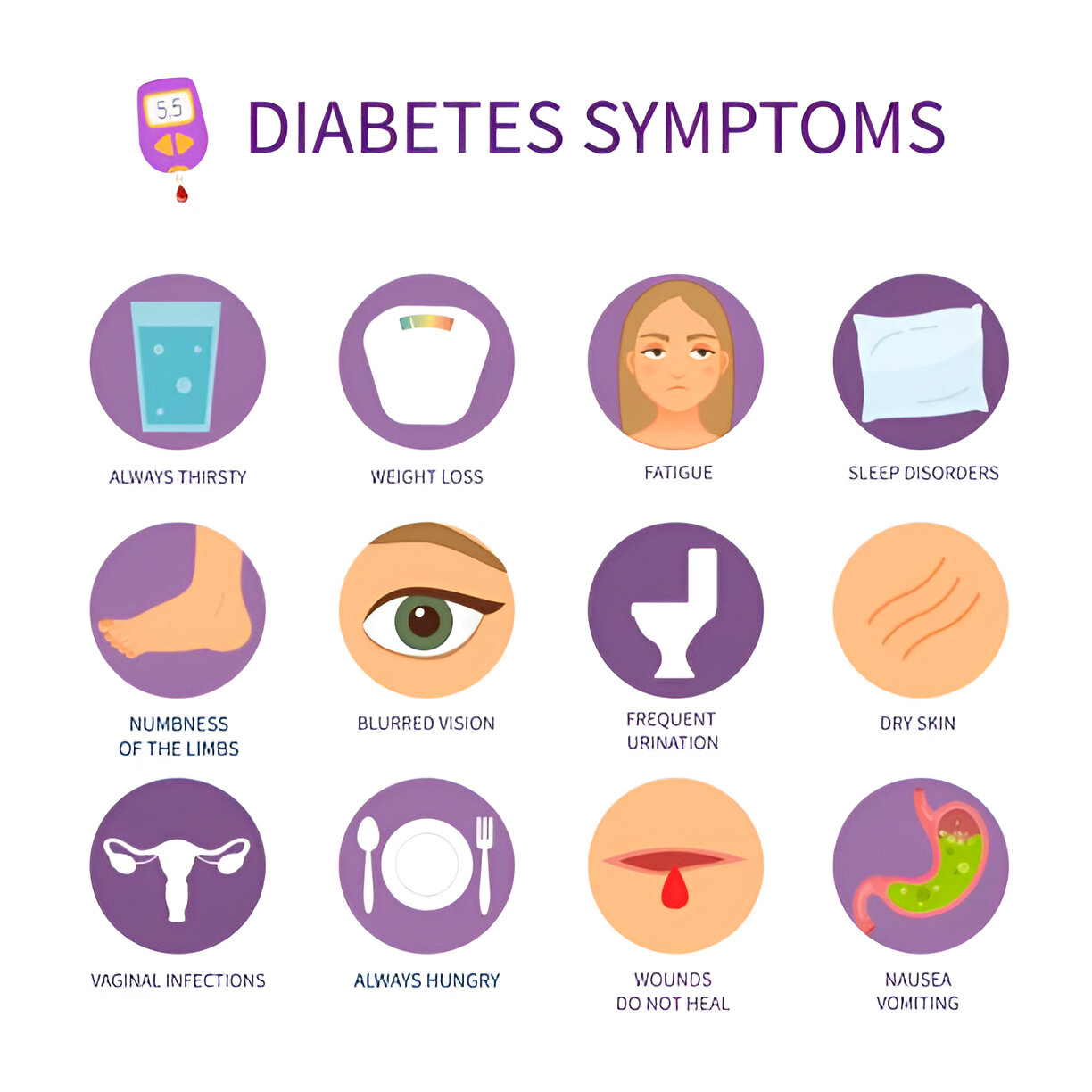
Increased Thirst and Hunger: Persistent thirst and an insatiable appetite are common signs of high blood sugar levels.
Frequent Urination: Especially noticeable at night, frequent urination is a result of the kidneys working to eliminate excess sugar.
Unexplained Weight Loss or Fatigue: Rapid weight loss without trying and constant fatigue may indicate the body’s inability to utilize glucose effectively.
Blurred Vision: High blood sugar can cause swelling in the eye lens, leading to temporary vision changes.
Slow-Healing Cuts or Bruises: Impaired blood circulation and immune function slow the healing process.
Numbness or Tingling: Nerve damage from prolonged high blood sugar may cause sensations in the hands and feet.
Homeopathic Treatment for Diabetes
Homeopathy offers natural remedies that work to balance blood sugar levels, improve insulin sensitivity, and promote overall health without side effects. Homeopathic remedies are personalized, based on individual symptoms, lifestyle, and overall health, making it a safe and effective alternative for managing diabetes.
Benefits of Homeopathic Treatment for Diabetes
Balances Blood Sugar Levels: Homeopathic remedies aid in regulating blood sugar levels by enhancing the body’s natural insulin response.
Supports Pancreatic Function: These remedies work on strengthening pancreatic health, promoting better insulin production and effectiveness.
Reduces Complications: By targeting the root causes of diabetes, homeopathy helps reduce the risks of complications such as kidney issues, nerve damage, and heart problems.
Improves Energy Levels: Homeopathic treatments alleviate fatigue, helping to restore energy and vitality, which is often compromised in diabetes.

Consult with Dr. Jitendra Shukla
B.H.M.S., M.D. (Homoeopathy) – Gold Medalist | Registration: H-25455 (State Council). With 25+ years of distinguished clinical practice, Dr. Shukla has guided thousands of patients to permanent recovery from Diabetes.
In early and moderate stages, patients frequently achieve complete normalization of blood sugar and HbA1c, allowing them to taper off synthetic medications. In advanced long-standing cases, homeopathy prevents nerve, eye, and kidney complications while stabilizing glucose levels naturally.
Diabetic neuropathy is caused by micro-vascular ischemia of nerve sheaths. Homeopathic remedies like Cephalandra, Hypericum, and Syzygium improve micro-circulation, reduce nerve inflammation, and permanently eliminate burning sensations and numbness.
Yes. We advise patients to continue their existing prescribed regimen initially. As homeopathic constitutional treatment takes effect and your blood glucose logs show steady improvement, conventional drug dosages are gradually reduced under medical guidance.
On average, patients following our constitutional homeopathic protocol combined with dietary guidance observe a 1.0% to 2.5% drop in HbA1c within 3 to 4 months of treatment.
Emphasize low-glycemic foods, whole fiber, fenugreek seeds, bitter gourd (karela), amla, and healthy fats, while completely eliminating refined flour, white sugar, and sodas. Engage in a minimum of 40 minutes of daily brisk walking.