
CEREBRAL & CEREBELLAR ATROPHY
Neuro-Protective Restoration
Cerebral and cerebellar atrophy involves progressive loss of neurons and neural parenchyma, causing balance loss, stumbling ataxia, speech slurring, and cognitive decline. Dr. Jitendra Shukla provides specialized constitutional homeopathic treatment designed to arrest degenerative progression, stimulate neuroplastic compensation, and restore functional motor stability without toxic side effects.

Comprehensive Evaluation for Neuro-Recovery
Fill in your details and Dr. Shukla's neurological team will evaluate your case and MRI reports. Consultations are available both in-clinic at Lucknow and via secure worldwide video appointments.
Request Consultation
Select your consultation mode and submit your medical details below.
What is Cerebral and Cerebellar Atrophy?
Cerebral and cerebellar atrophy refers to the progressive deterioration, shrinking, and cellular loss within key regions of the central nervous system. Cerebral atrophy affects the cerebral hemispheres—the brain's command center for memory, analytical thought, language comprehension, and voluntary movement. Cerebellar atrophy selectively targets the cerebellum—the structure at the base of the skull responsible for smooth motor coordination, equilibrium, balance, and spatial orientation. When both regions are compromised, patients experience profound difficulty in walking, fine hand tasks, clear articulation of speech, and cognitive agility.
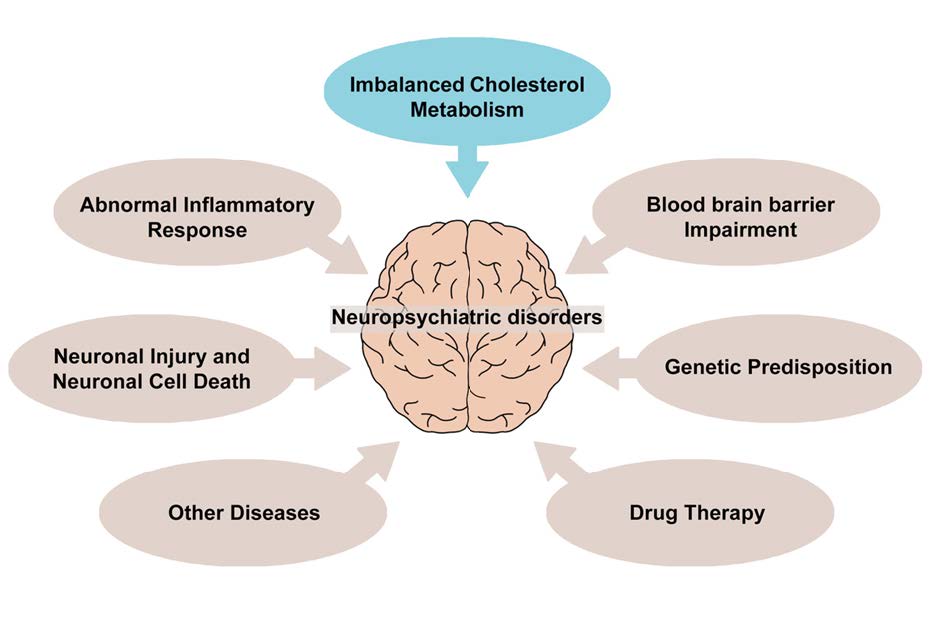
Causes & Etiology of Brain Atrophy
Cerebrovascular Disease & Stroke: Chronic ischemia, small vessel lacunar infarcts, and transient ischemic attacks diminish oxygenated blood delivery to brain parenchyma, triggering gradual cellular shrinkage.
Spinocerebellar Degeneration (SCA): Hereditary neuro-degenerative disorders characterized by progressive loss of Purkinje cells and spinocerebellar tracts.
Hypoxic-Ischemic Encephalopathy: Episodes of oxygen deprivation during cardiac arrest, severe respiratory failure, or surgical complications.
Chronic Neuro-Inflammation: Autoimmune encephalitis, multiple sclerosis, or chronic post-viral neurological damage.
Metabolic & Toxic Insults: Chronic nutritional deficiencies (vitamin B12, thiamine), alcohol-induced cerebellar degeneration, and exposure to environmental neurotoxins.
Clinical Symptoms & Ataxia Presentation
Gait Ataxia & Imbalance: An uncoordinated, wide-based, reeling walk (as if intoxicated) with high risk of sudden falls, especially in dim light or when turning quickly.
Dysmetria & Intention Tremor: Shaking of the hand that worsens as it approaches a target, causing inability to accurately reach for a glass, keyhole, or mobile phone.
Dysarthria (Scanning Speech): Slurred, slow, or staccato speech patterns with broken cadence and uneven volume control.
Nystagmus & Visual Disturbances: Involuntary, rapid rhythmic twitching of the eyeballs leading to oscillopsia, dizziness, and difficulty focusing.
Cognitive Slowing & Memory Lapses: Cerebral involvement manifests as slower information processing, word-finding pauses, and executive task difficulty.
Dr. Shukla's Homeopathic Neuro-Restorative Protocol
Conventional neurology often considers brain atrophy irreversible and offers only palliative symptom dampening or sedatives. However, the human brain possesses extraordinary innate neuroplasticity. Dr. Jitendra Shukla's classical constitutional homeopathic treatment is specifically formulated to protect surviving neural parenchyma from oxidative apoptosis, enhance micro-capillary perfusion across the cerebral cortex, and stimulate latent neuro-circuits. By stabilizing the neurological terrain, our patients experience arrested progression, improved vestibular equilibrium, and restored personal independence.
Key Clinical Advantages of Homeopathy
Neuro-Protective Cellular Preservation: Halts rapid thinning of the cerebral cortex and cerebellar folia by neutralizing free-radical neurotoxicity.
Significant Improvement in Walking Balance: Re-tunes proprioceptive signaling so patients walk with a firmer, narrower base and substantially reduced swaying.
100% Non-Toxic & Gentle: Completely safe for elderly and fragile patients, causing zero drowsiness, confusion, digestive upset, or organ strain.
Synergistic with Physiotherapy: Accelerates motor retraining and balance exercises, yielding faster functional rehabilitation.
Constitutional Precision Prescribing: Remedies such as Baryta Carbonica, Causticum, Plumbum Metallicum, Conium Maculatum, Alumina, and Zincum Phosphoricum are curated to each individual's unique pathology and constitutional blueprint.


Consult with Dr. Jitendra Shukla
B.H.M.S., M.D. (Homoeopathy) – Gold Medalist | Registration: H-25455 (State Council). With 25+ years of clinical excellence in neuro-degenerative care, Dr. Shukla has guided thousands of patients facing chronic neurological disorders toward functional recovery and dignifying independence.
Yes. While dead brain tissue cannot be replaced, Dr. Jitendra Shukla's advanced constitutional homeopathic treatment works to protect existing viable neurons from progressive degenerative atrophy, activate dormant neuro-pathways, and stimulate neuroplastic compensation to stabilize balance and motor coordination.
Cerebral atrophy involves shrinkage of the cerebrum, impacting memory, executive thought, speech processing, and voluntary motor commands. Cerebellar atrophy specifically affects the cerebellum at the back of the brain, causing severe ataxia, balance loss, stumbling gait, intention tremor, and slurred speech.
Yes. Patients under targeted constitutional homeopathic care report notable improvements in proprioceptive coordination, reduction in swaying while walking, and increased stability within 21 to 45 days of treatment.
Absolutely. Homeopathy is completely non-invasive and synergistic with physical therapy and speech rehabilitation, accelerating functional recovery without sedative or gastrointestinal side effects.
Dr. Shukla conducts an in-depth clinical evaluation incorporating Brain MRI/CT scans, neurological exam findings, cognitive status, and individual miasmatic constitutional history to formulate a precision treatment plan.