
ALOPECIA
Advanced Root-Cause Care
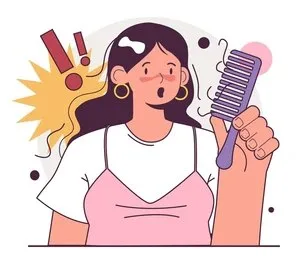
Alopecia is a condition that causes hair loss, either in small patches or more widespread thinning. It can occur on the scalp, face, or other areas of the body. The most common type, alopecia areata,...
Start Your Journey Toward Recovery
Fill in your details and Dr. Shukla's clinical team will evaluate your case. Consultations are available both in-clinic at Lucknow and via secure worldwide video appointments.
Request Consultation
Select your consultation mode and submit your medical details below.
What is Alopecia?
Alopecia is a condition that causes hair loss, either in small patches or more widespread thinning. It can occur on the scalp, face, or other areas of the body. The most common type, alopecia areata, is an autoimmune disorder where the body mistakenly attacks its own hair follicles, leading to hair loss. Other types of alopecia include androgenic alopecia (male/female pattern baldness) and telogen effluvium (temporary hair loss due to stress or trauma).
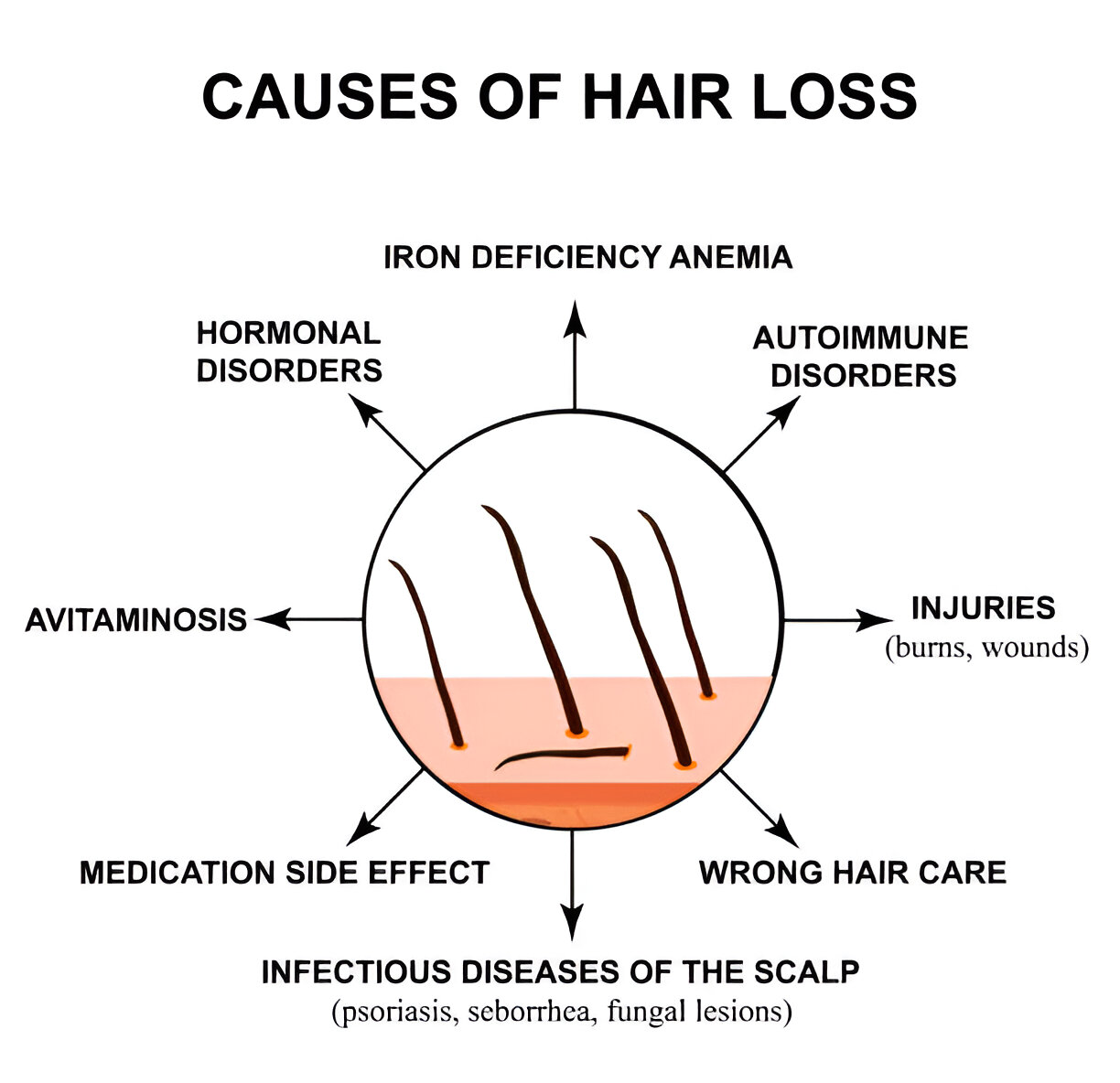
Causes of Alopecia
Genetics: Hereditary hair loss, particularly androgenic alopecia, is common in men and women over 40.
Autoimmune Disorders: Conditions such as alopecia areata result from the immune system attacking hair follicles.
Hormonal Changes: Life events like pregnancy, menopause, or thyroid imbalances can disrupt hair growth cycles.
Stress or Trauma: Emotional or physical stress may trigger telogen effluvium, leading to temporary thinning.
Nutritional Deficiencies: Inadequate intake of vital nutrients like iron or vitamin D weakens hair health.
Infections or Medications: Fungal infections or certain medications can contribute to hair loss.
Types of Alopecia
Alopecia Areata: Sudden and patchy hair loss caused by the immune system attacking hair follicles.
Androgenic Alopecia: Also known as male or female pattern baldness, this type results from genetic factors and hormonal changes.
Telogen Effluvium: Temporary hair loss triggered by stress, hormonal changes, or medication.
Alopecia Totalis: A severe form of alopecia areata causing complete hair loss across the scalp.
Alopecia Universalis: A rare condition resulting in total hair loss across the body, including eyebrows and eyelashes.
Symptoms of Alopecia
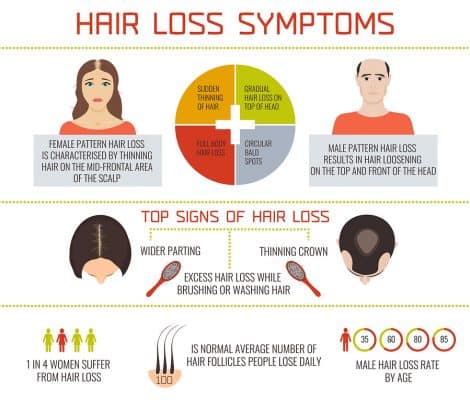
Sudden or patchy hair loss on the scalp or other areas of the body.
Hair thinning or bald patches that gradually increase in size over time.
Itching, burning, or irritation on the scalp.
Excessive shedding of hair, particularly noticeable when combing or washing.
Emotional distress or self-esteem issues arising from hair loss.
Homeopathic Treatment for Alopecia
Homeopathy offers a natural, safe, and holistic approach to treating alopecia by targeting the underlying causes of hair loss. Unlike conventional treatments that focus on symptoms alone, homeopathic remedies work to boost the body’s healing ability, improve hair follicle health, and restore hair growth.
Benefits of Homeopathic Treatment forAlopecia
Promotes Hair Regrowth: Stimulates hair follicles to encourage natural and healthy hair growth.
Addresses the Root Causes: Treats underlying issues like hormonal imbalances, stress, or autoimmune conditions causing hair loss.
Restores Scalp Health: Improves blood circulation and reduces inflammation in the scalp, fostering healthier hair growth.
Safe and Side-effect-Free: Offers a chemical-free alternative to conventional treatments, suitable for long-term use.
Holistic Approach: Targets both physical symptoms and emotional well-being, alleviating stress and anxiety associated with hair loss.

Consult with Dr. Jitendra Shukla
B.H.M.S., M.D. (Homoeopathy) – Gold Medalist | Registration: H-25455 (State Council). With 25+ years of distinguished clinical practice, Dr. Shukla has guided thousands of patients to permanent recovery from Alopecia.
Yes! Because alopecia areata is a non-scarring alopecia, the hair follicles beneath the skin remain completely alive and viable. Homeopathic medicines remove the autoimmune inflammation, allowing follicles to sprout thick, healthy hair.
No, absolutely not. Homeopathy treats alopecia areata without any injections, steroid lotions, or painful procedures. The remedies are taken orally as gentle, pleasant medicated globules.
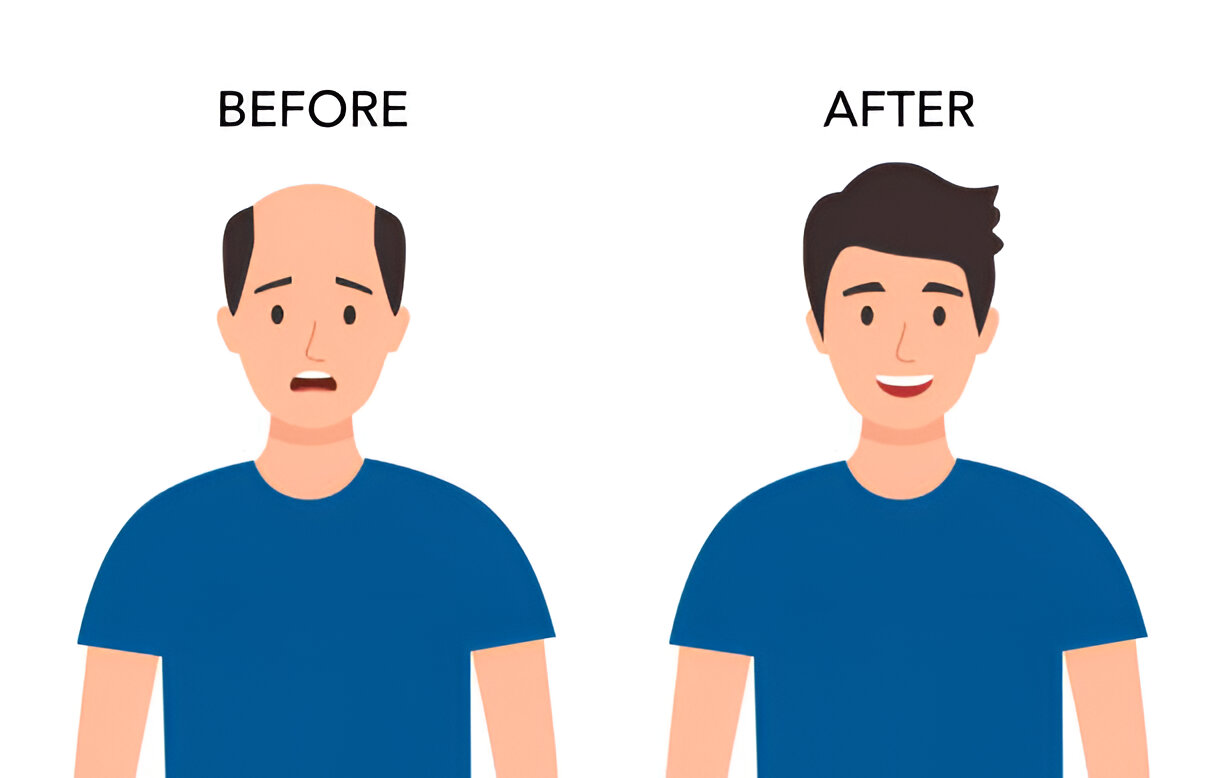
Typically, hair fall stabilizes within 3 to 6 weeks. Within 8 to 12 weeks, fine new hair sprouts appear on the bald patches, which progressively thicken and regain natural color.
This is completely normal. The first wave of regenerating hair often emerges as soft, unpigmented 'vellus' peach-fuzz. With continued constitutional treatment, melanocyte activity resumes and hairs mature into thick, pigmented terminal hair.
Yes. Beard alopecia responds exceptionally well to constitutional remedies like Fluoricum Acidum and Vinca Minor, completely filling in the bare beard spots.